The Survey
Home Inspection for a Boat
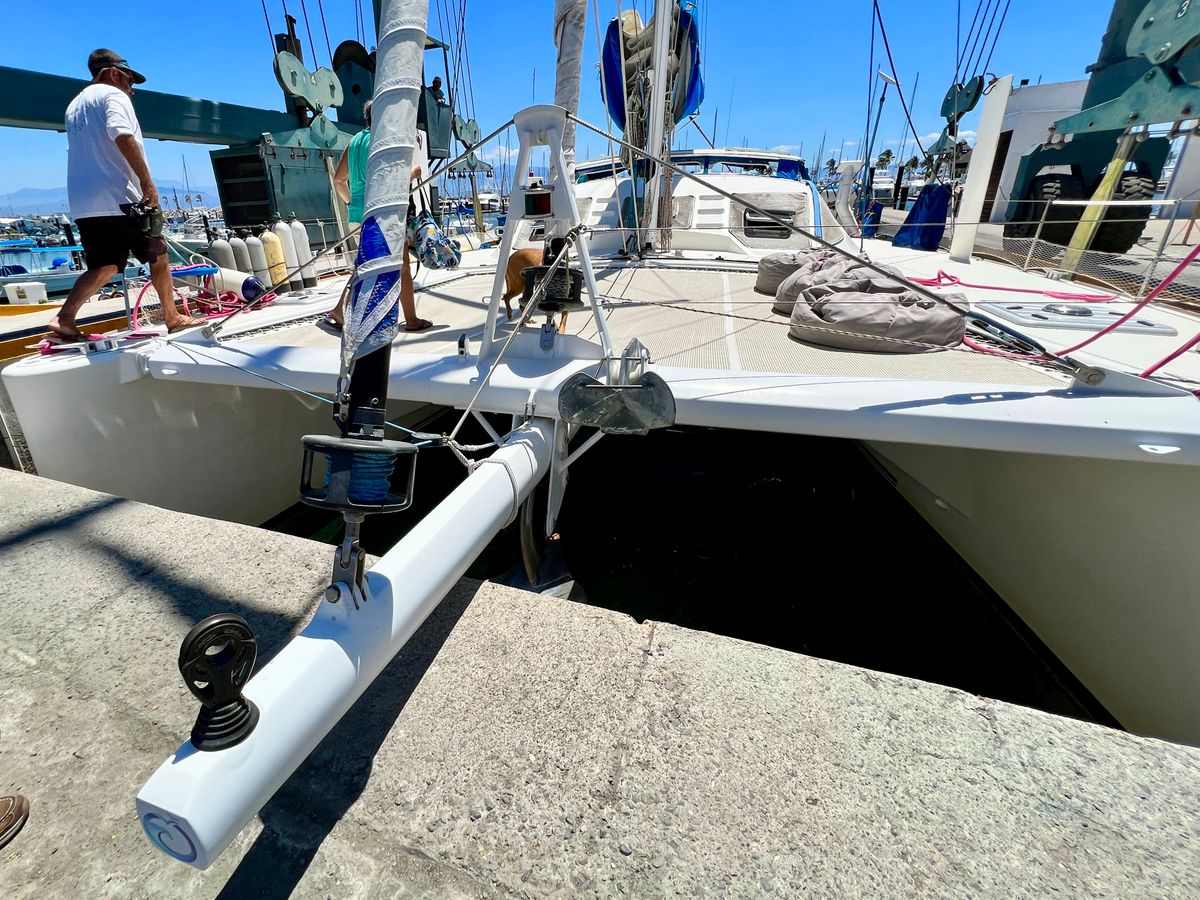
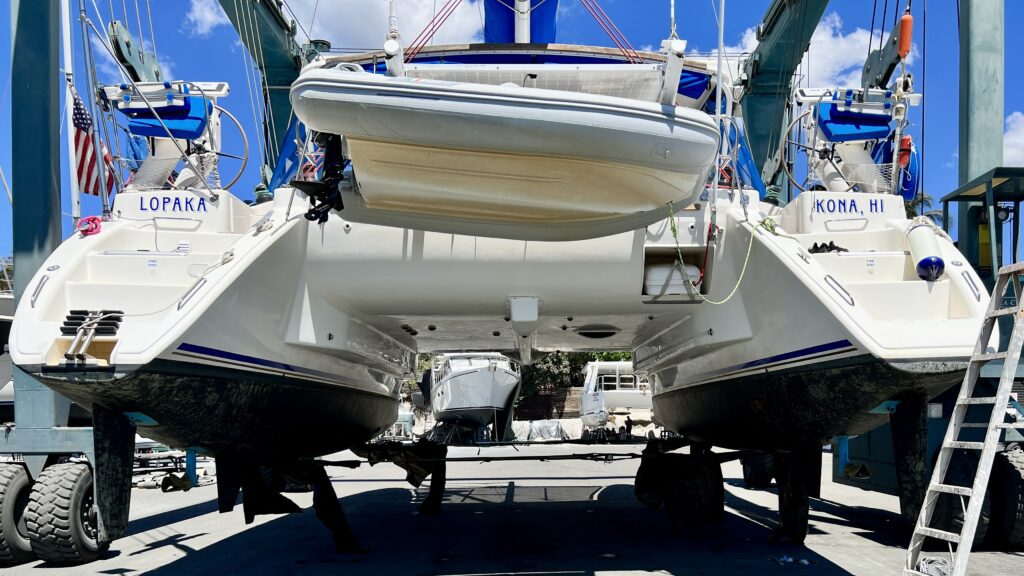
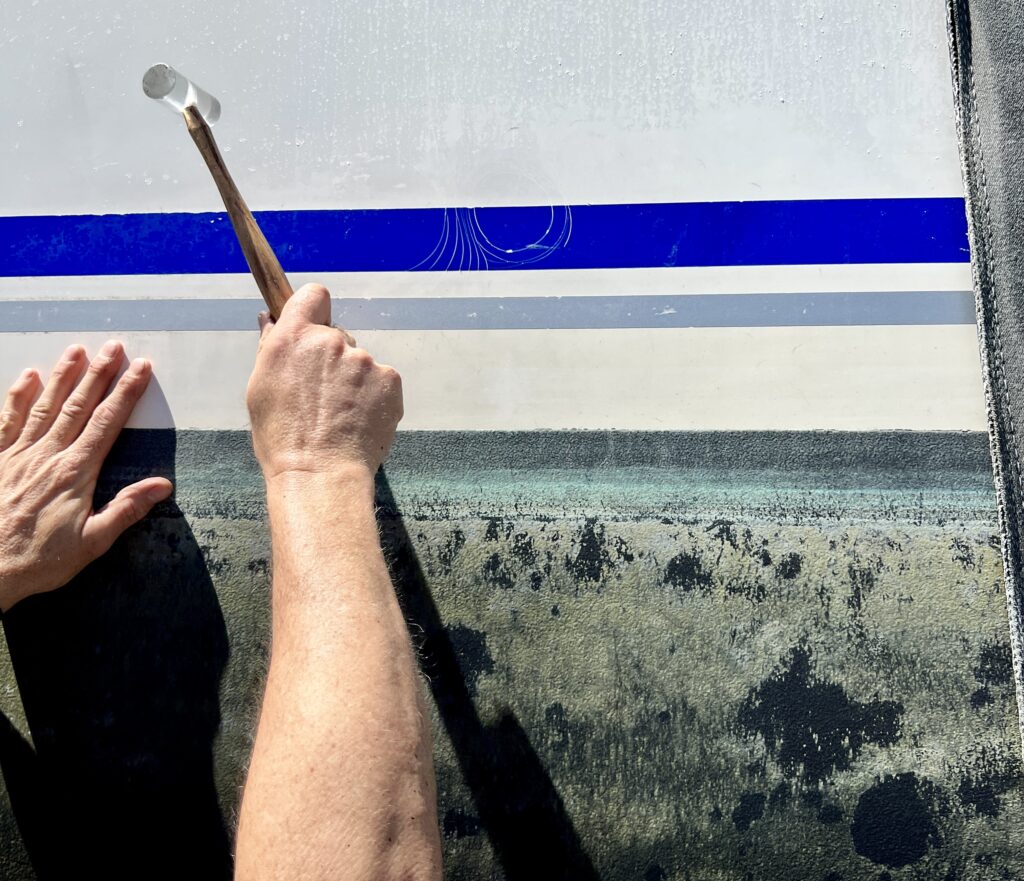
A marine “survey” is the boat-buying equivalent of a home inspection. A qualified marine surveyor conducts it. The results have an impact on the insurability of the boat as well as the final negotiations with the seller. Anything unexpected that needs to be remediated for seaworthiness is often factored into the final price.
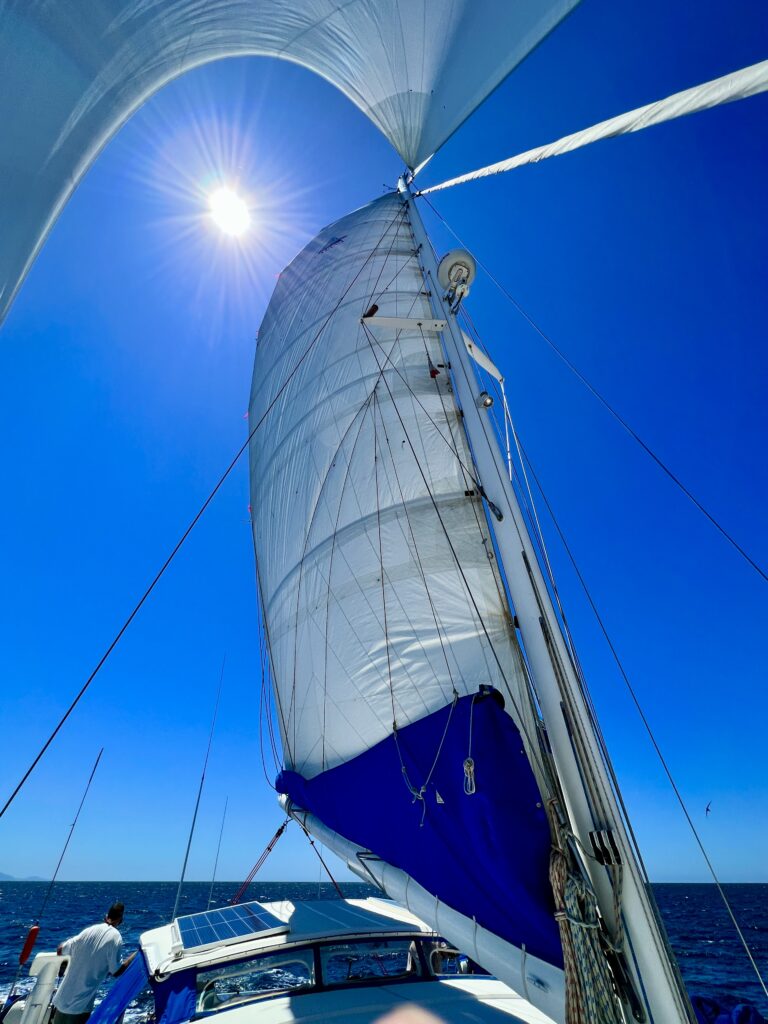
The survey is often accompanied by a “sea trial,” where you go out and sail the boat. This is done to examine the sails, the rigging, and the boat’s overall fit for sailing.
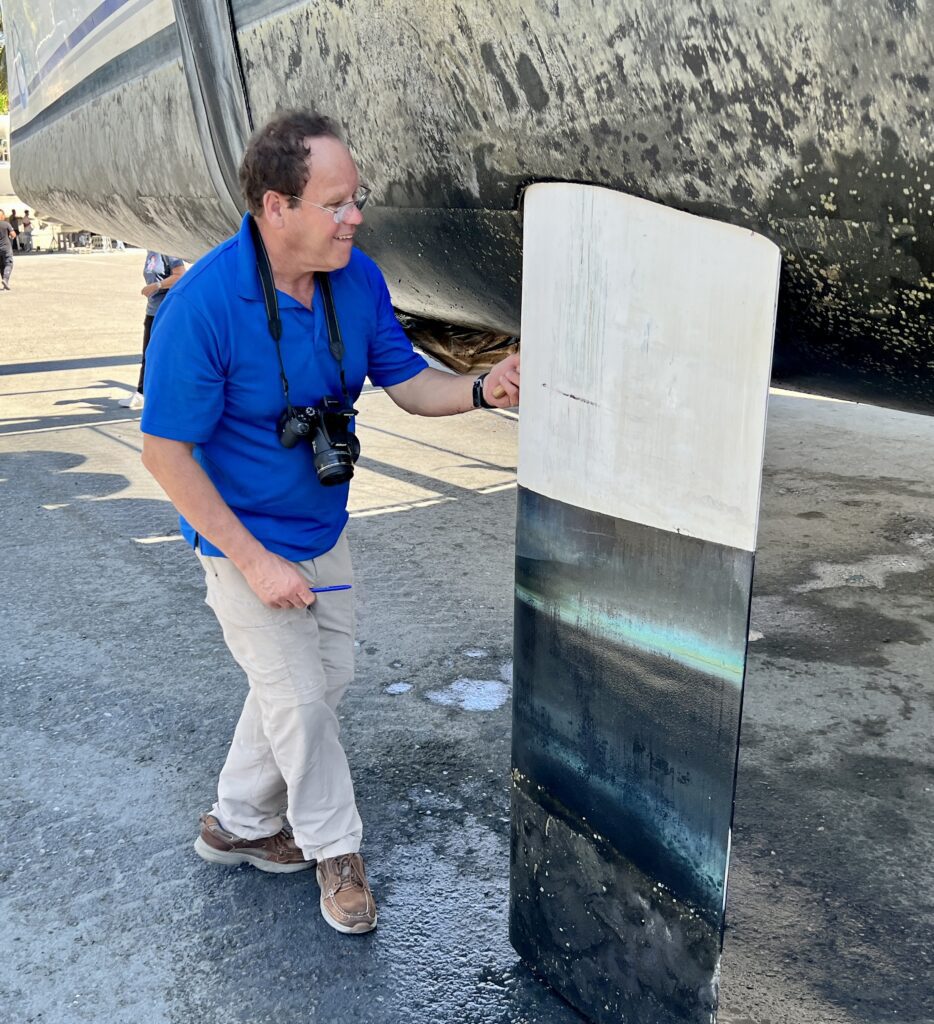
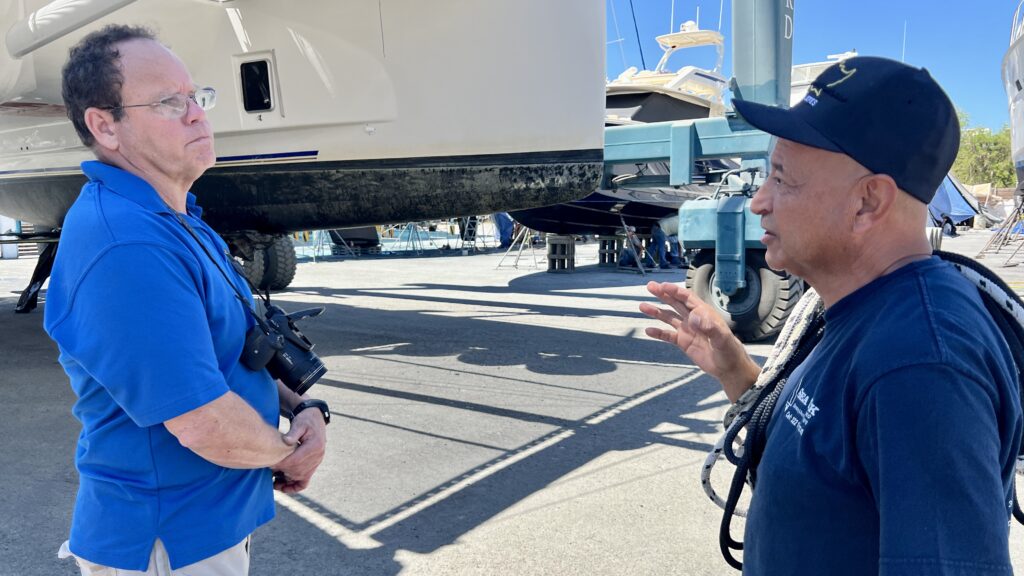
We were extremely fortunate to get connected with Bill Trenkle in San Diego. Bill was gracious enough to take on our survey, even though most of his work today involves forensic investigation and expert witness testimony. And despite the fact that he had to fly to Mexico to do the survey.
We wanted Bill as our surveyor for several reasons. First, he is an expert in ocean-going catamarans. Second, he was the recent past president of SAMS, the Society of Accredited Marine Surveyors. Third, about ten years ago, Bill surveyed the boat in San Diego when she had her main bulkheads reinforced. He knew the boat well, and he was eager to see how those modifications had held up over the past decade.
Bill is an absolutely delightful guy to hang out with. He flew down and stayed with us in the spare bedroom of our condo. Over dinner, he regaled us with stories from his America’s Cup days with Dennis Connor and the exciting times with his Stars & Stripes catamaran entry to defend the cup.
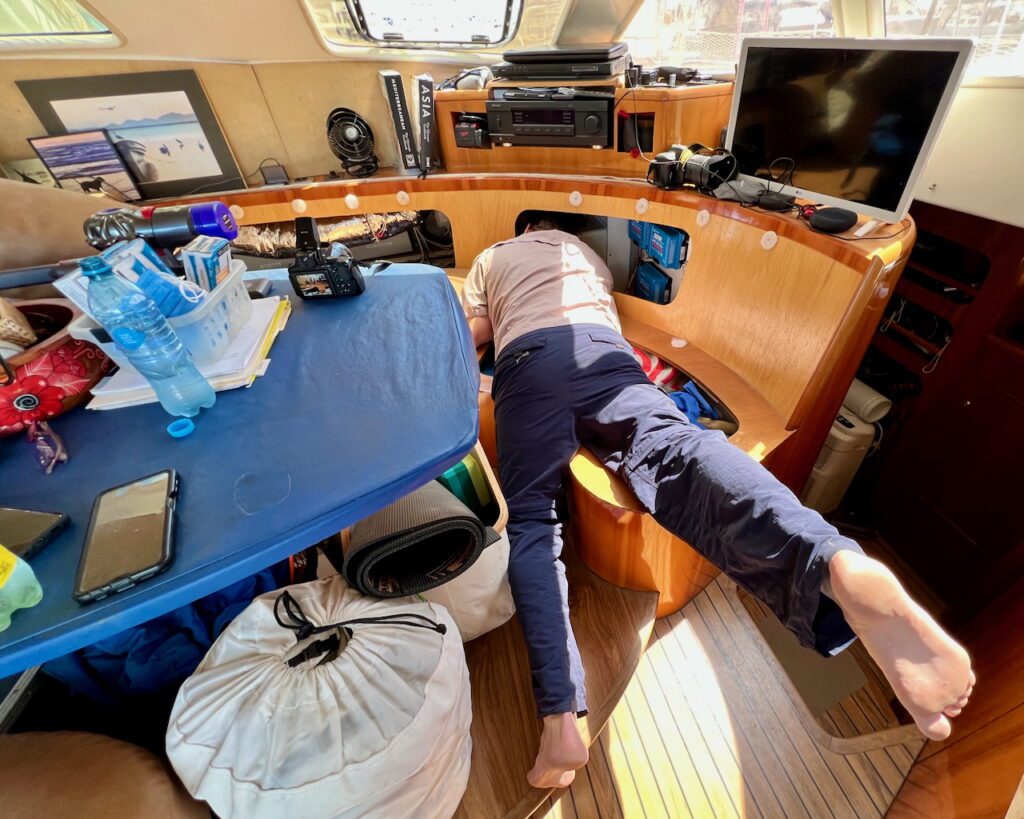
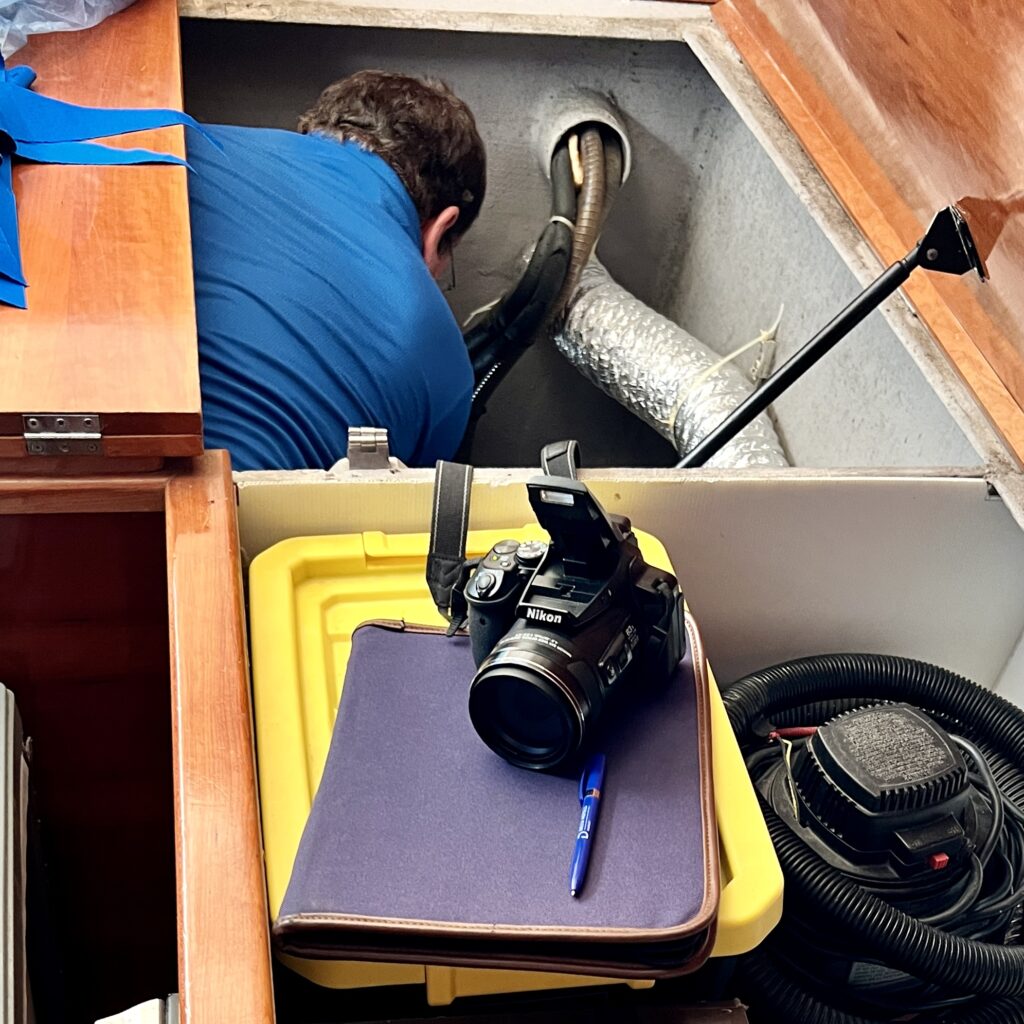
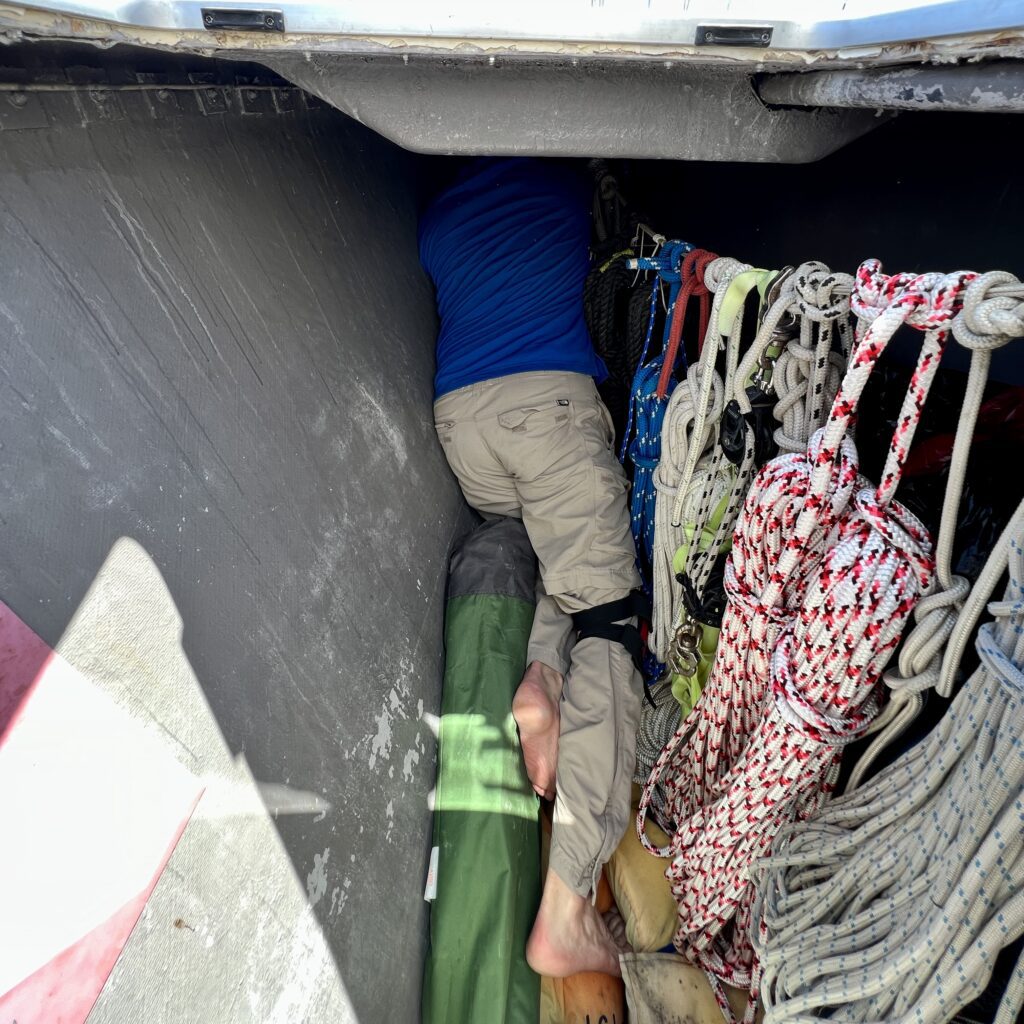
During the survey, Bill was all business. The survey was two full, hard days of crawling through every single nook and cranny of the boat. I tagged along, held the flashlight, took notes, and listened. And I learned a lot.
Ultimately, Bill pronounced the boat in fine health and a good value — especially for her age. He wanted us to modify the propane locker to better isolate the tank, and he wanted us to improve the passive ventilation in the battery and inverter space under the saloon settee. OK, we can do that, especially since we’re going to remove the propane system anyway. That was it! He had pages and pages of notes and ideas we discussed, and those recommendations are on my project list. But for seaworthiness and insurability, we were good to go.
Good to go except for the standing rigging. While both Bill and Peter pronounced the rig in satisfactory condition, the insurance company wanted the standing rigging replaced. Rig failure is a significant cause of insurance claims, and most insurance companies won’t insure a boat for offshore sailing with rigs older than ten years — eight years for cats. We knew this going into the deal and factored that into our plan and offer price.
A Few Photos: