Offshore Communications
Staying connected out on the ocean
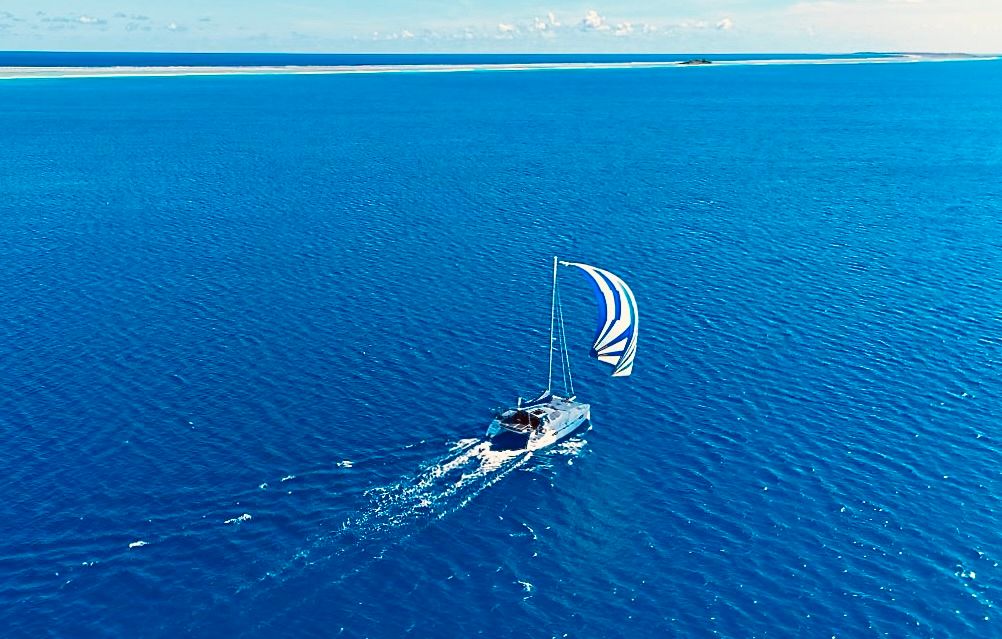
Communications on the boat is like communications at home. Wifi on the boat. Cellular ashore. But things change when we head offshore.
Starlink
Close to shore, Starlink remains the core of how we communicate. Email, WhatsApp, FaceTime, phone. Our US cell phone carrier plan works when we are away from the boat (except in a few remote places).

When we leave land behind, we need a way to stay connected out on the ocean. We get weather updates. We keep our shore-side monitoring service up to date on our location and status. We email customs and immigration officials of our changing plans. We stay in touch with family and friends. The crew streams and downloads entertainment content. Having inexpensive high-speed, low-latency internet in the middle of the ocean borders on miraculous.
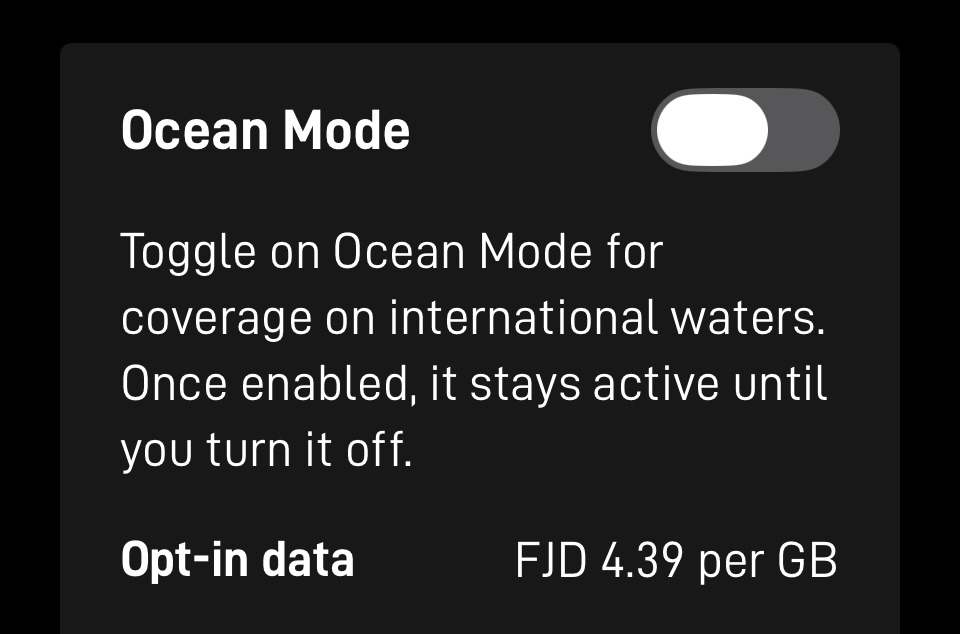
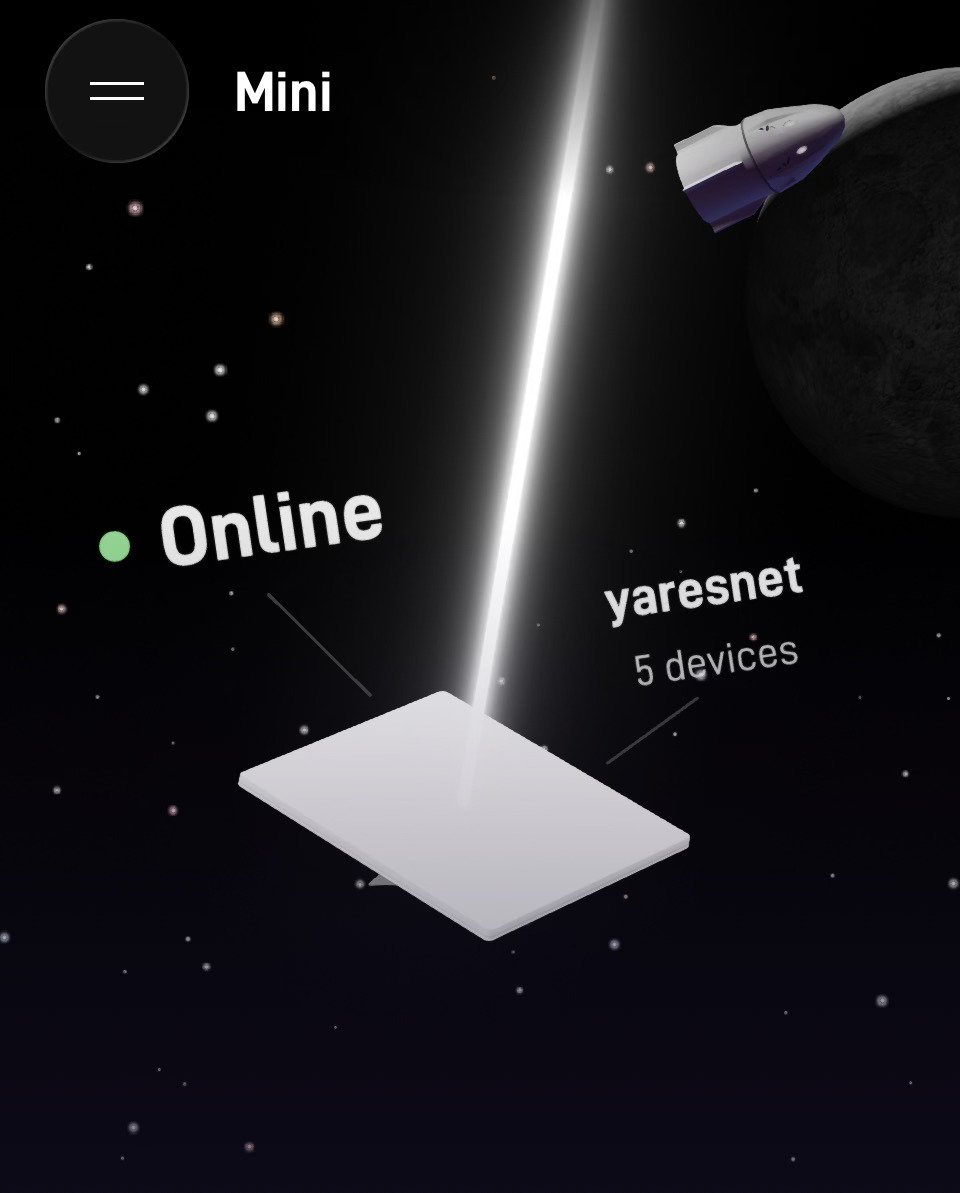
We carry two spare Starlink dishes, including a Starlink Mini, which we can power with the same batteries we use for our cordless power tools. But what if the entire Starlink system goes down? We need a backup.
Garmin InReach Mini
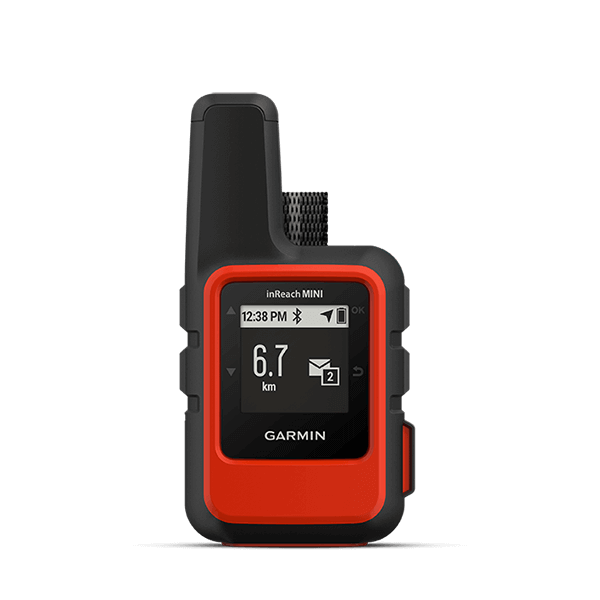
For $7.99 USD per month, we can send messages and our position with our Garmin InReach Mini. It uses the Iridium satellite network instead of the Starlink satellite network.
We can download a marine weather forecast on it. It’s nothing like the forecast data we get from PredictWind over Starlink, but it’s good enough in a pinch. If the Starlink service is out, our shoreside contacts will hear from us via the InReach Mini.
Marine Single-sideband
We’ve got a marine single-sideband HF radio installed on Roam. The use of marine SSB is in rapid decline. It’s been replaced by Starlink and messaging apps like WhatsApp. You can transmit all you want, but is anyone out there still listening? There are still a few operational stations in the South Pacific — PassageGuardian and Gulf Harbour Radio. We’ll keep it installed for another season. It’s days are numbered, though.
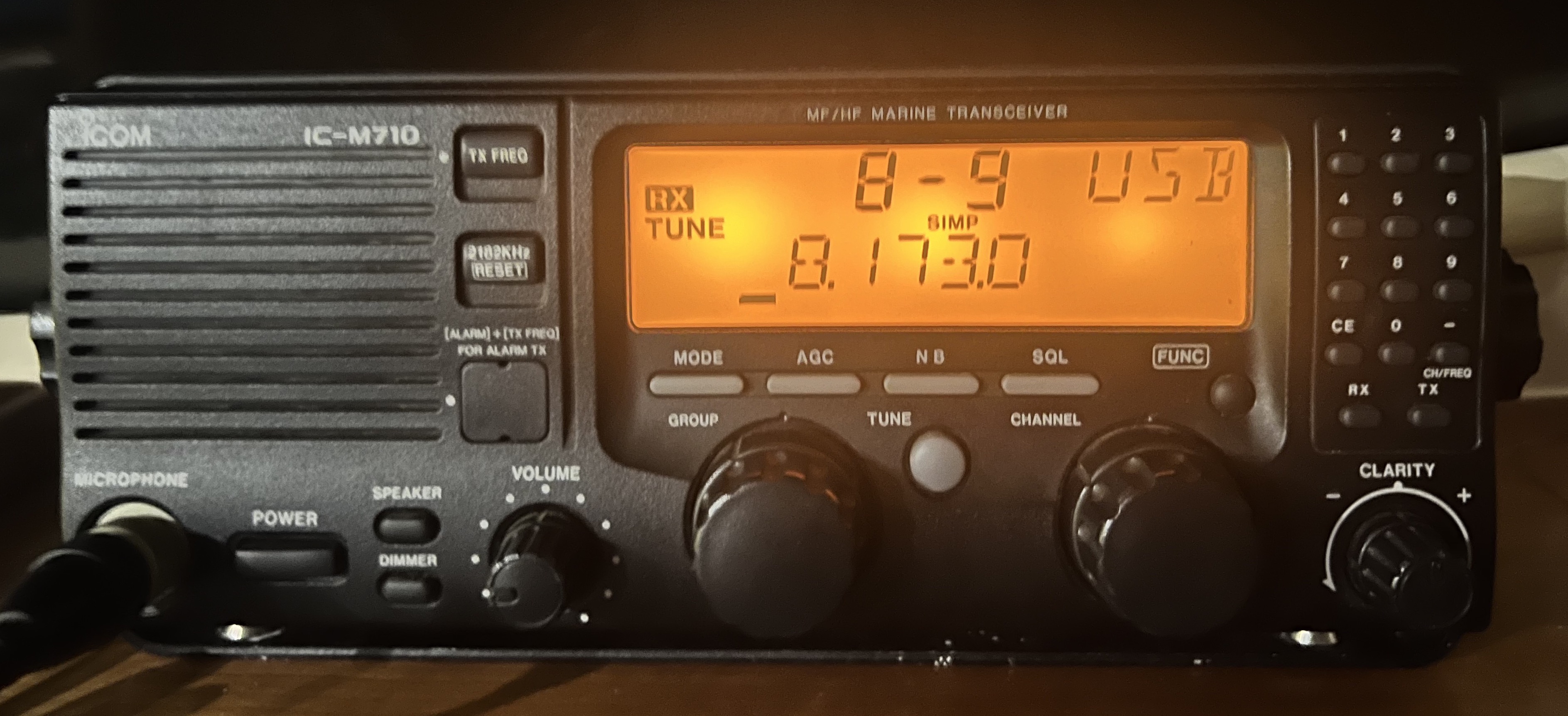
We removed the big SSB whip antenna off the transom when we had the cockpit painted. I hated that thing and decided not to put it back on. Instead, I have a long, 33-foot wire that I can attach to the antenna lug and hoist on the flag halyard.
IridiumGo!
Up until this season, we’ve had an IridiumGo! satellite communications unit. It was our backup to Starlink. Before Starlink became the default on cruising sailboats, it was the bomb. Every well-found cruising boat had one. It was how we got offshore weather and sent and received messages.
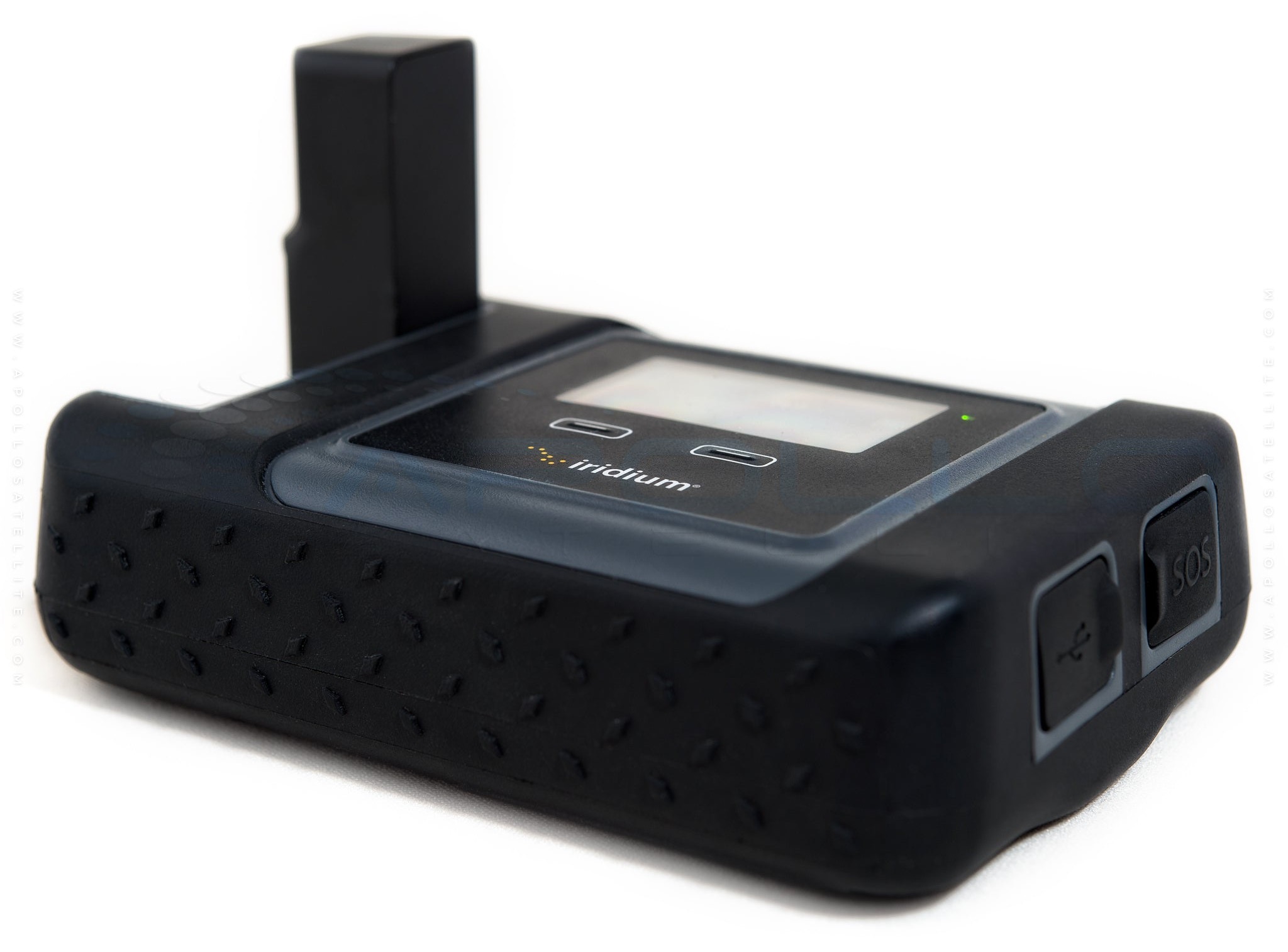
But the subscription is expensive, slow, and clunky to use. We’ve decided not to activate it this season. The odds of a Starlink service outage are low, but if it becomes unavailable, we’ve got the InReach Mini and the SSB.
Emergency Rescue Communications
In the unlikely event we or the boat can’t complete the voyage, we need a way to signal the need for rescue. The gold standard for emergency location is the EPIRB (Emergency Position-Indicating Radio Beacon). We keep it in the ditch bag, ready to go if we have to get off the boat and into the life raft.
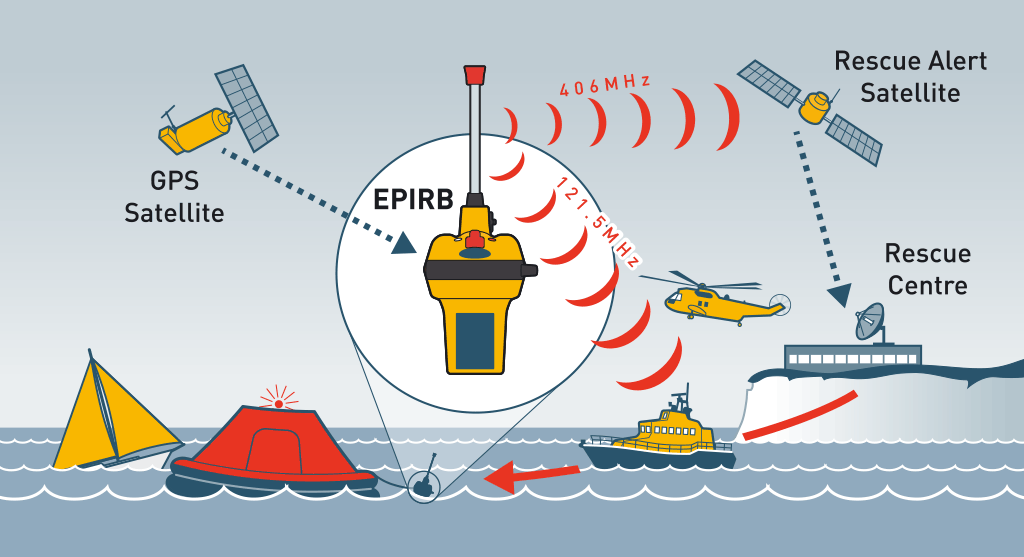
A Few Other Emergency Communication Tools:
Starlink Mini: can be operated with portable batteries. Even in the life raft. It requires a phone or tablet in order to communicate. We keep it in the ditch bag.
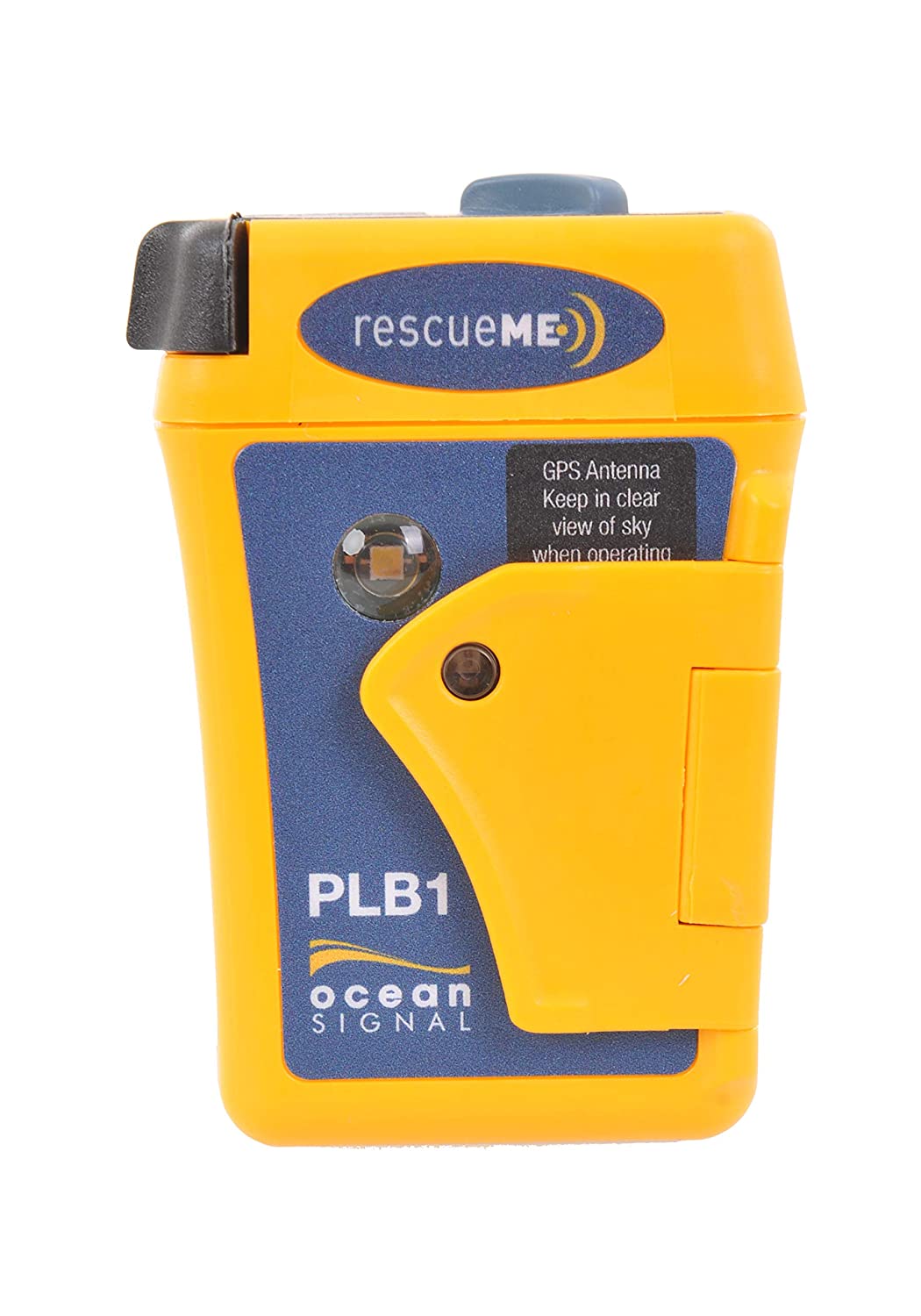
Portable Locator Beacon (PLB): a miniature, personal version of our big EPIRB.
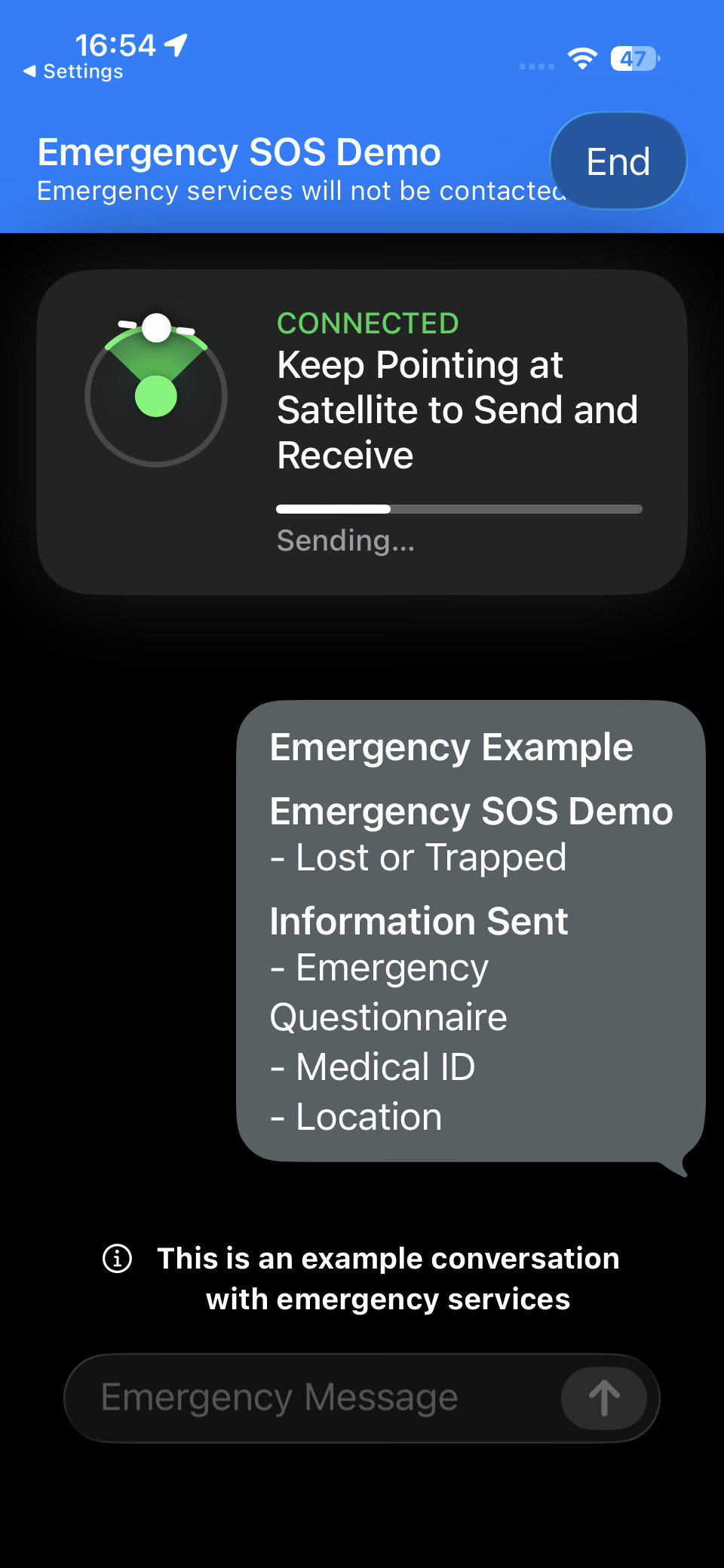
iPhone SOS: Our current iPhone 16 Pros have Apple’s emergency satellite service. It alerts emergency coordinators with our location. Our phones are usually close by or in our pocket. They are likely to make it into the life raft.
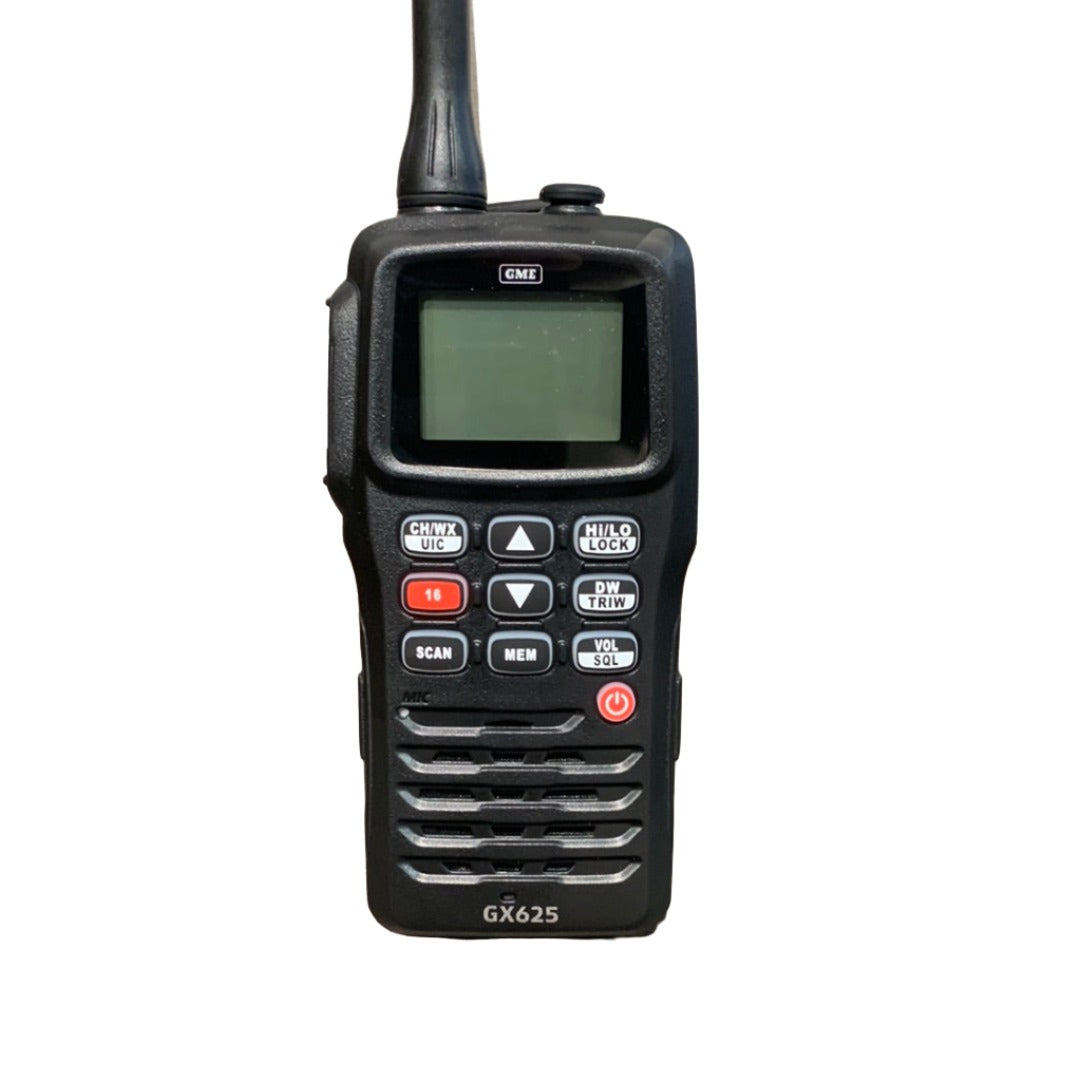
Marine VHF Handheld: We keep a portable marine VHF radio in the ditch bag. It can be handy coordinating a rescue with nearby boats and aircraft.
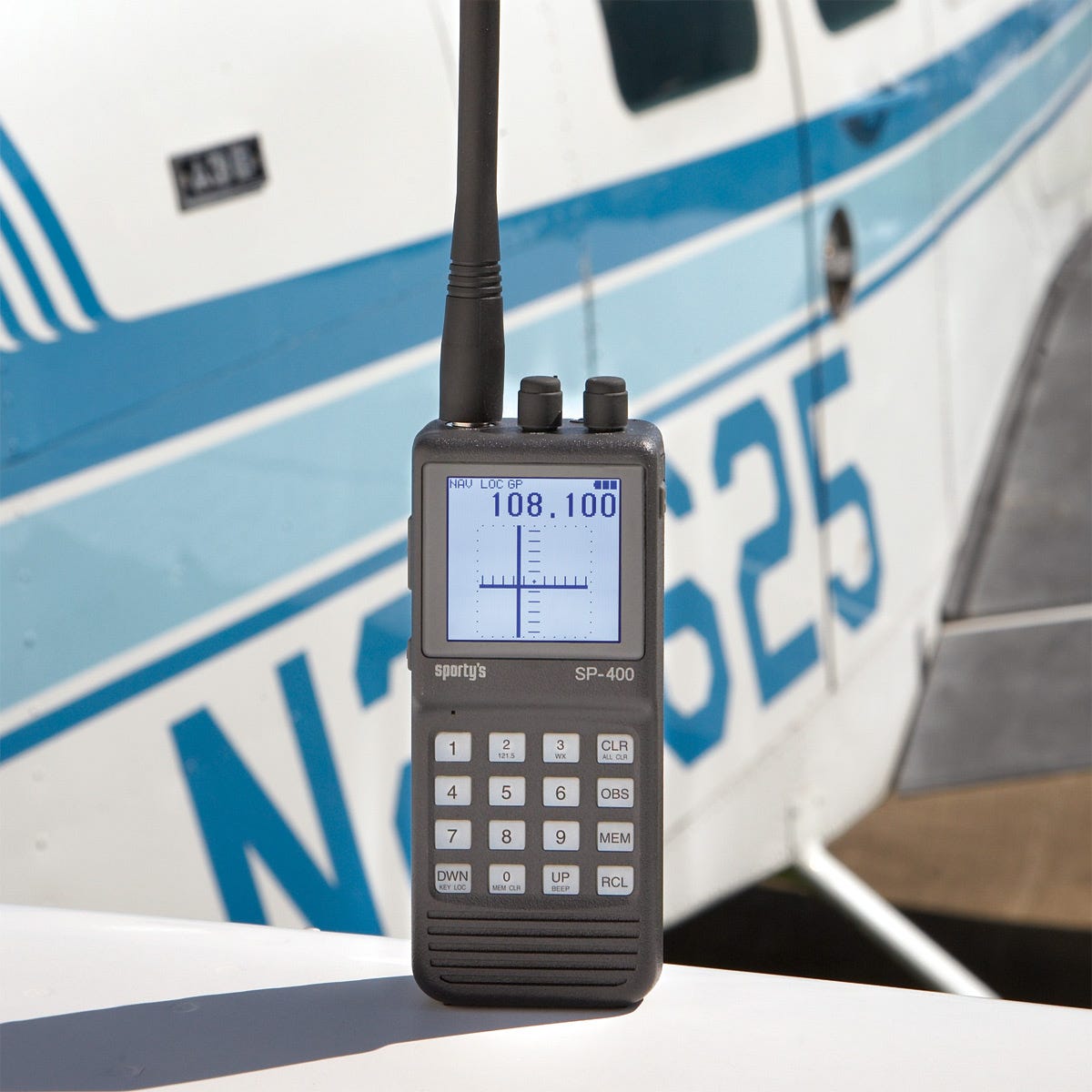
Aviation VHF Handheld: We keep a portable aviation radio in the ditch bag. Theoretically, we could reach an airliner flying overhead on the aviation emergency frequency. Theoretically. We already had it, so it seemed reasonable to toss it in the ditch bag. Imagine an airline pilot’s surprise!
Personal AIS Beacons: Each of us wears an inflatable personal flotation device (PFD) with a built-in harness. That helps keep us tethered to the boat and, if we depart the boat, keeps us afloat.
Each PFD has a personal AIS beacon attached to it. The beacon activates when the vest inflates. It plots the victim’s position on all of our chart plotter screens and sets up the autopilot to steer directly to the victim. It also shows up on the screens of all nearby boats with an AIS receiver.
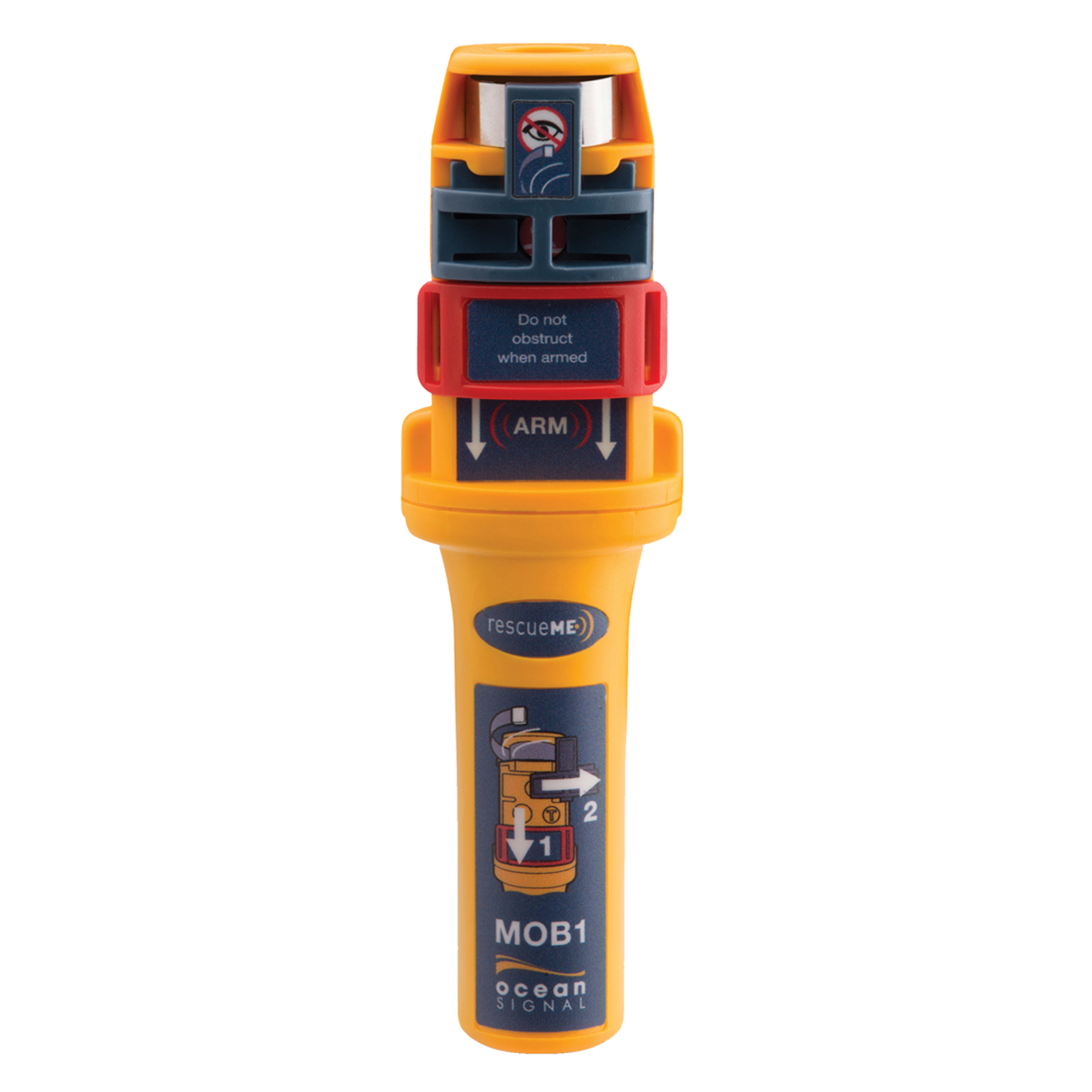
The Hippocratic Oath of offshore rescue: First, get found.