A Window Opens
Long awaited weather for the passage from New Zealand to Fiji
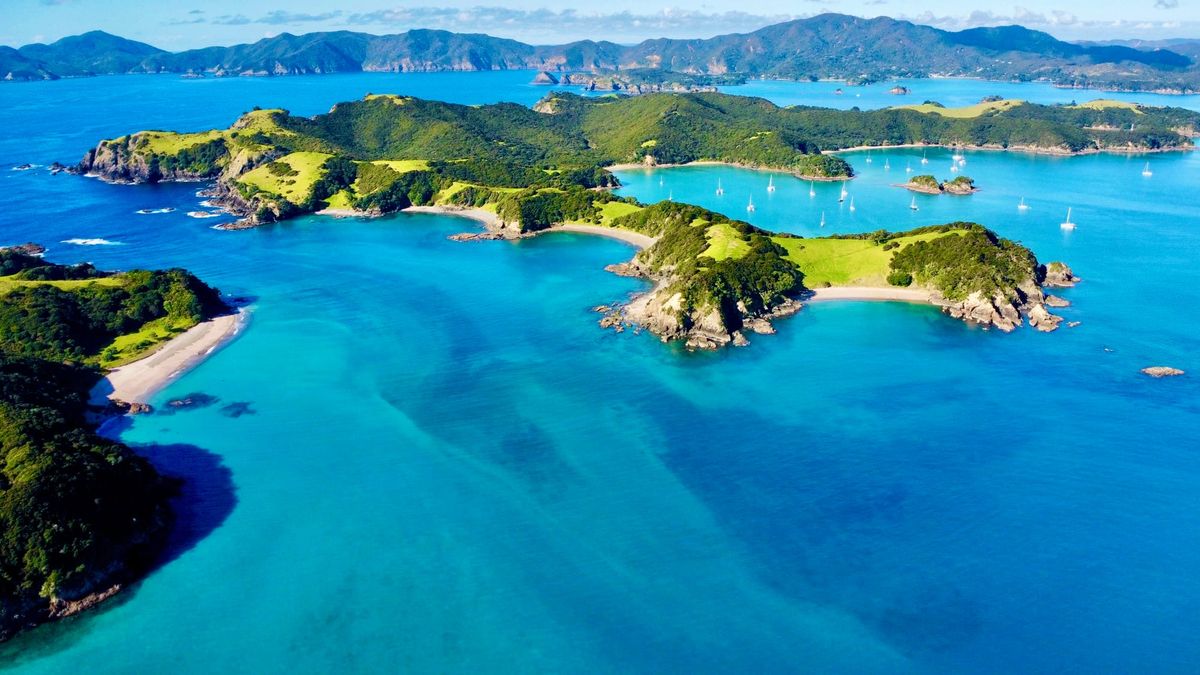
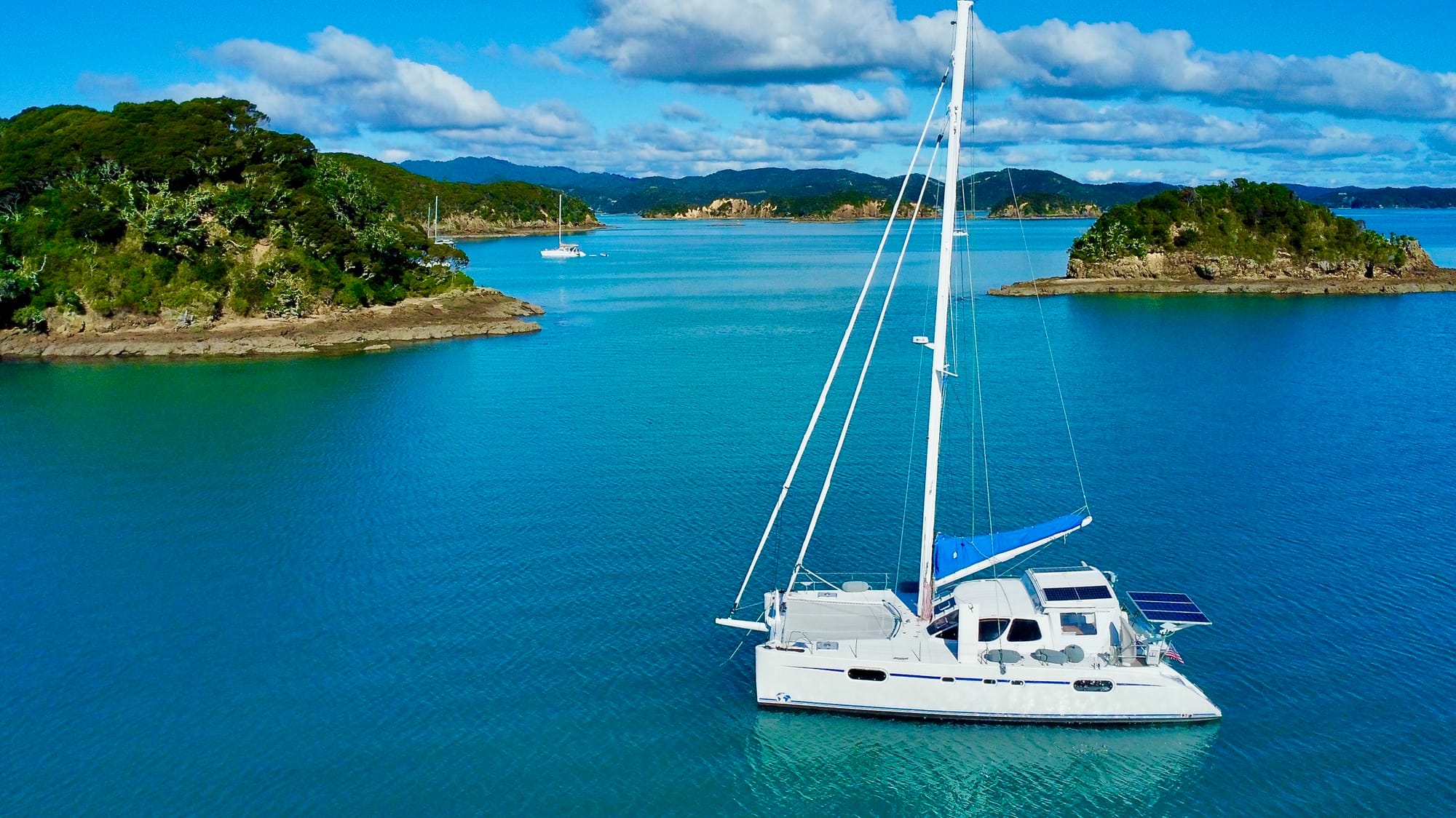
A promising weather forecast has presented itself for the 1,200-mile trip from New Zealand to Fiji. This is the first good weather window in nearly a month. Most of the Fiji-bound boats have been waiting for this. We've all been sailing around the Bay of Islands and the northern areas of New Zealand's North Island, biding our time.
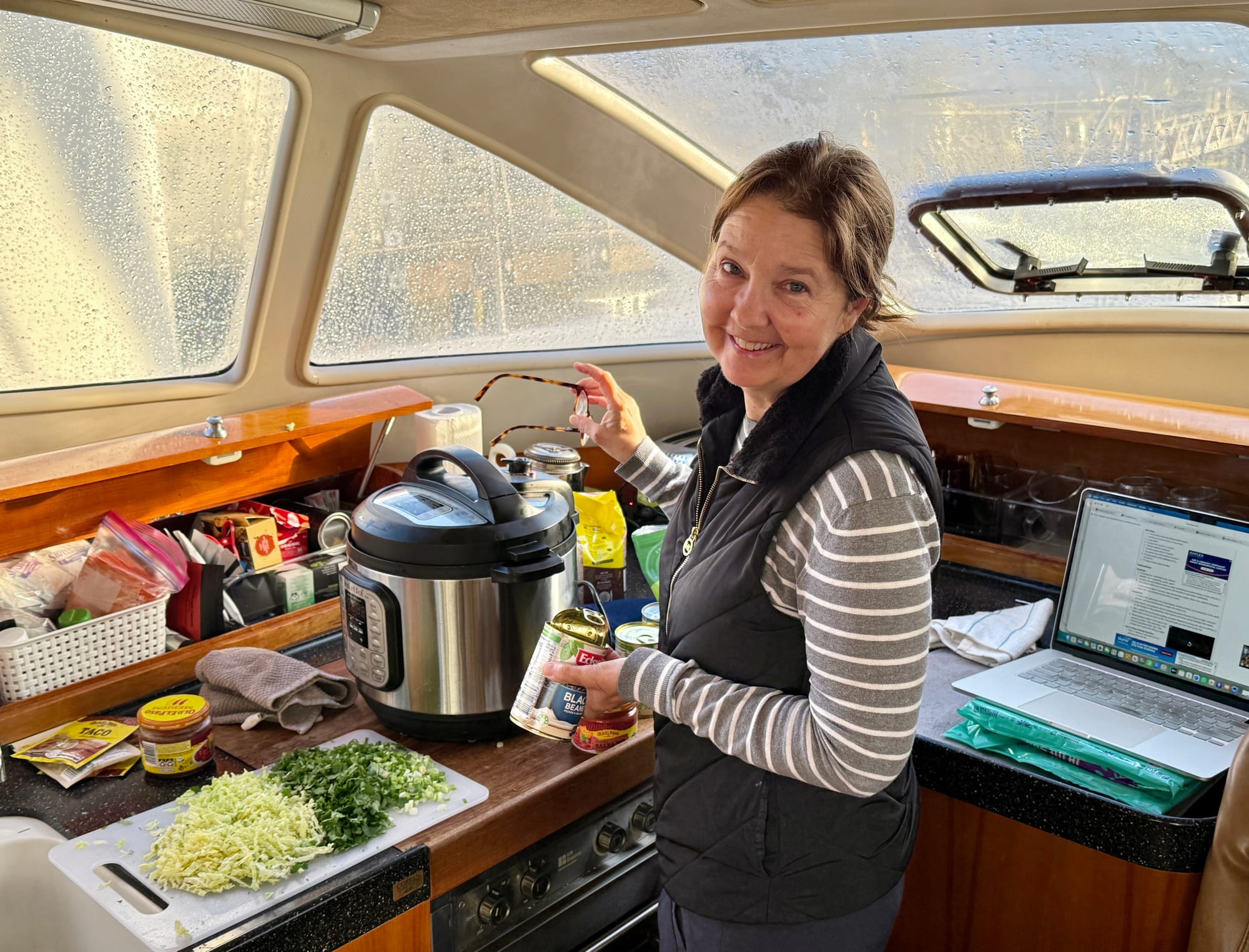
The docks are alive here in Bay of Islands Marina. Most of our slip neighbors are fellow transients like us. We're all making final preparations. Filling tanks. Loading lockers. Grocery shopping. Cooking passage meals. Wrapping up those last projects.
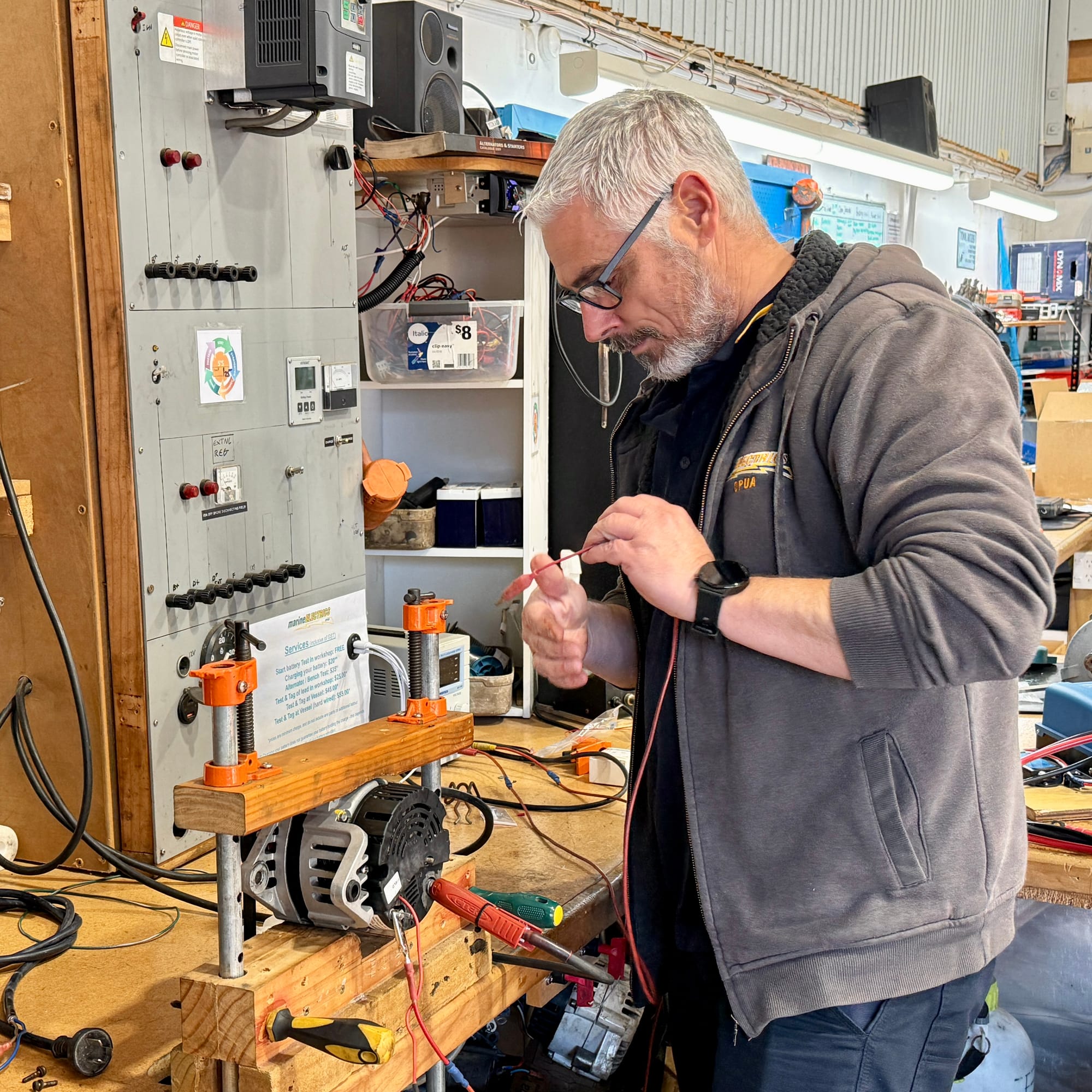
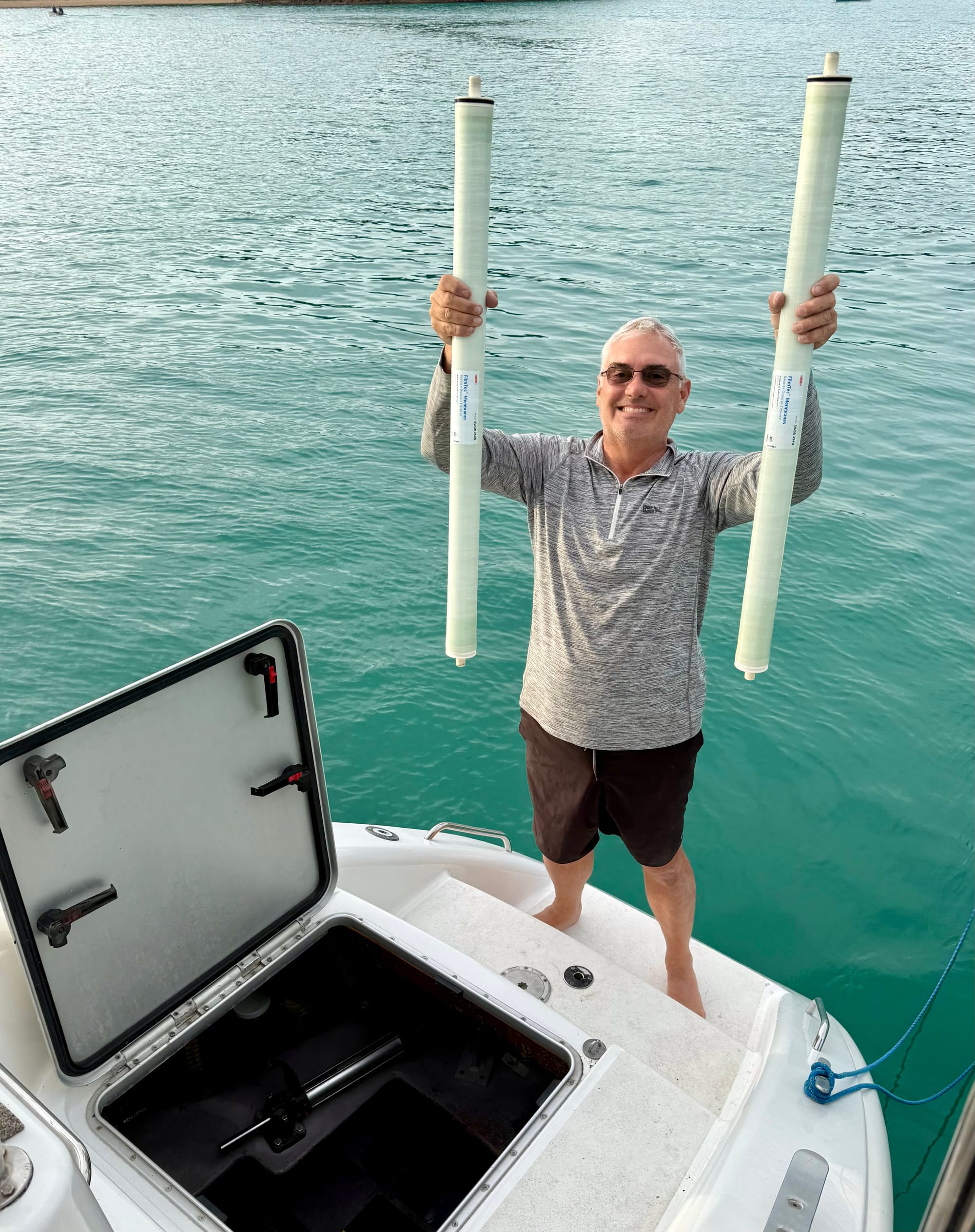
I managed to melt the house bank alternator on the starboard engine yesterday. I was trying to resolve a nagging issue with its regulator. A new (better) alternator should be here on Friday morning. The installation is straightforward, and hopefully, it will go smoothly. We have other charging sources for our house battery bank, so we could leave without it. Otherwise, we are in good shape to go.
Pam heads back to the US today. She'll be checking on the house and attending to some family matters. In a few weeks, she and the kids will fly to Fiji, where I will hopefully be ready and waiting for them at the Nawi Island Marina in Savusavu. We'll spend a few weeks together sailing and diving the eastern side of the Fijian islands.
Unfortunately, our original Fiji crew, Al, Emily, and Rebecca, ran out of vacation time waiting for this weather. They flew up to Fiji to enjoy a few days there before returning to the US. Instead, I'll be joined by my friends Greg and Riaan as crew.
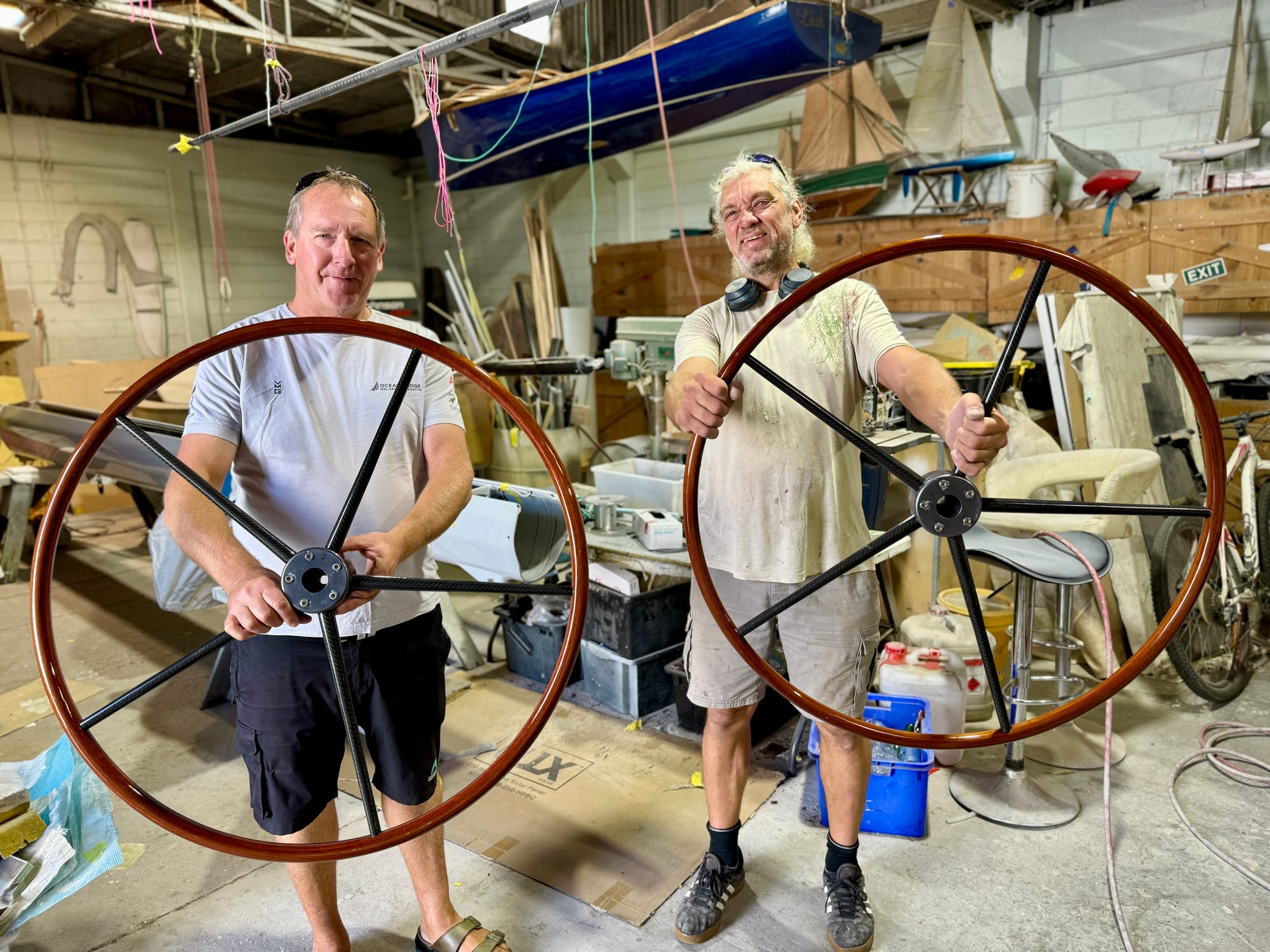
Greg project managed our refit here in New Zealand. He owns the Catana 431, Seuss. Riaan is also a boat builder. He rebuilt our rudders and our steering wheels last month. He also created new rain gutters for the big portlights on the side of the boat so we can leave the windows open when it rains. These guys are veteran ocean sailors. They know our boat well.
The Weather
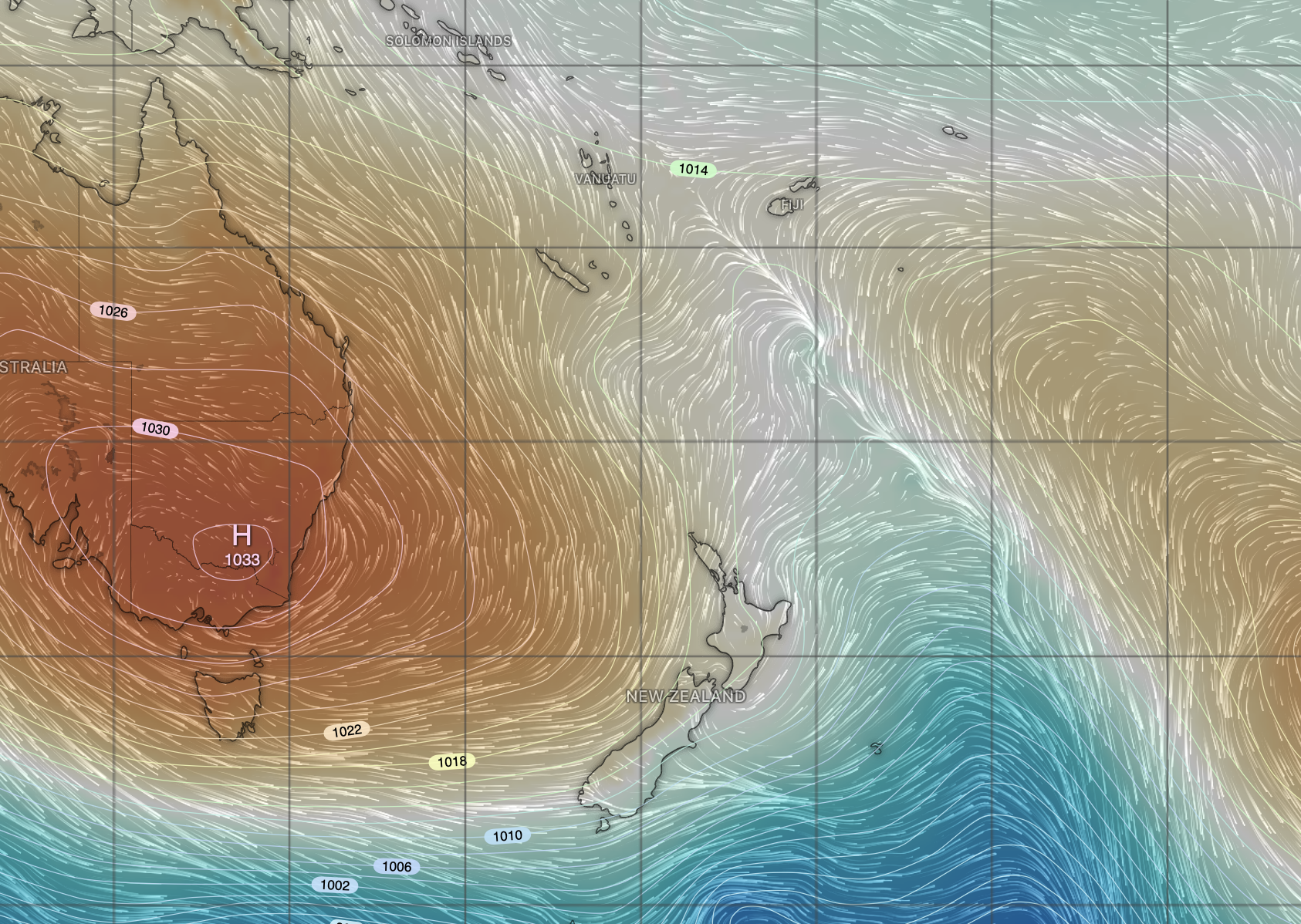
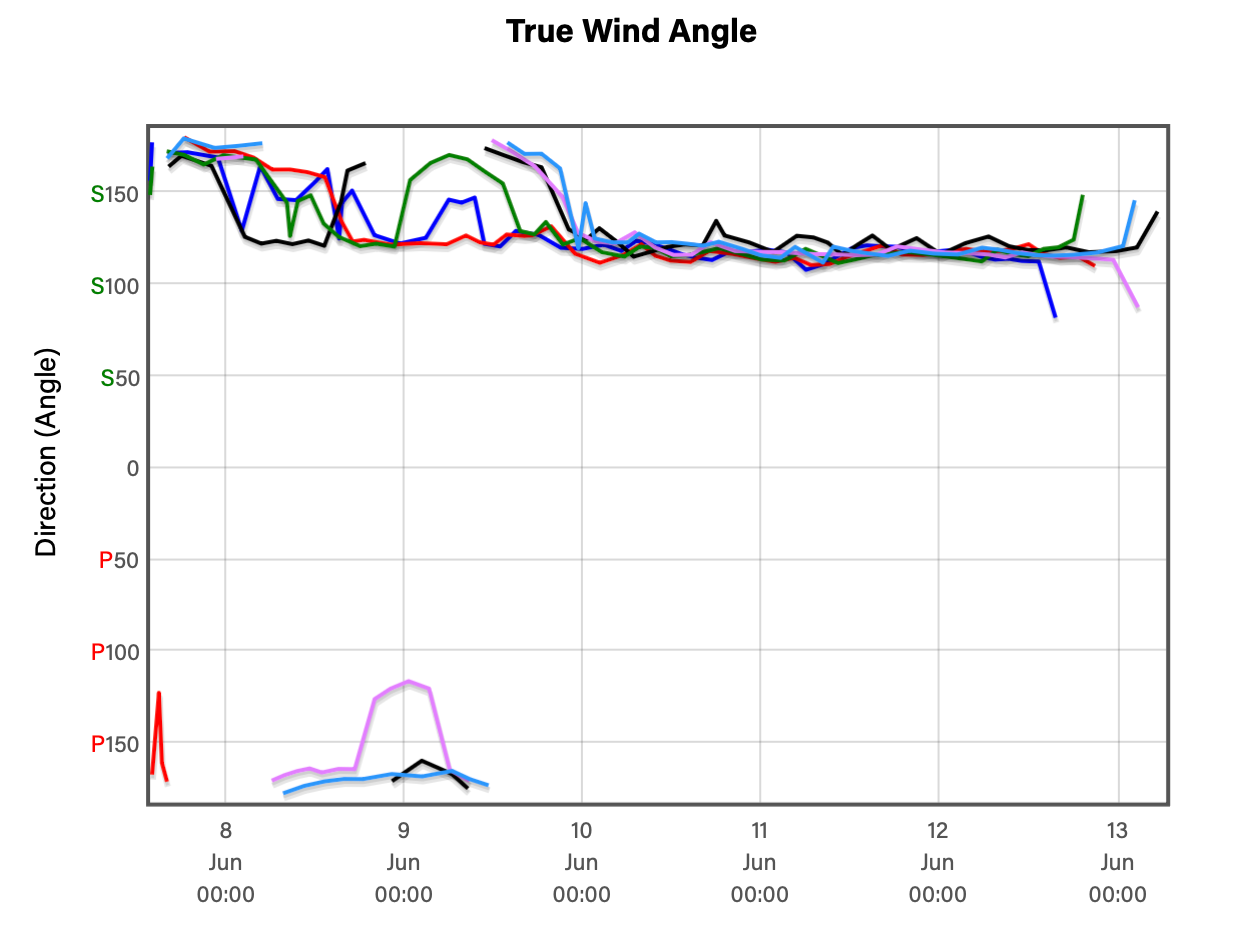
The classic weather pattern for this passage revolves around a HIGH pressure system moving from Australia across the Tasman Sea and over New Zealand. It is usually preceded by a LOW pressure trough and a storm front. The idea is to leave on the back of the LOW and the front edge of the HIGH and ride the southerly winds north to Fiji. That is the pattern we see shaping up now.
Once we see the pattern setting up, we start looking at the details. First, the sea state. When the seas are smooth, anything is possible. When the seas are rough, everything sucks. Fortunately, PredictWind does the math for us. It considers the three different wave trains with their various heights, directions, and periods, and calculates the severity of the boat’s roll and pitch motion.
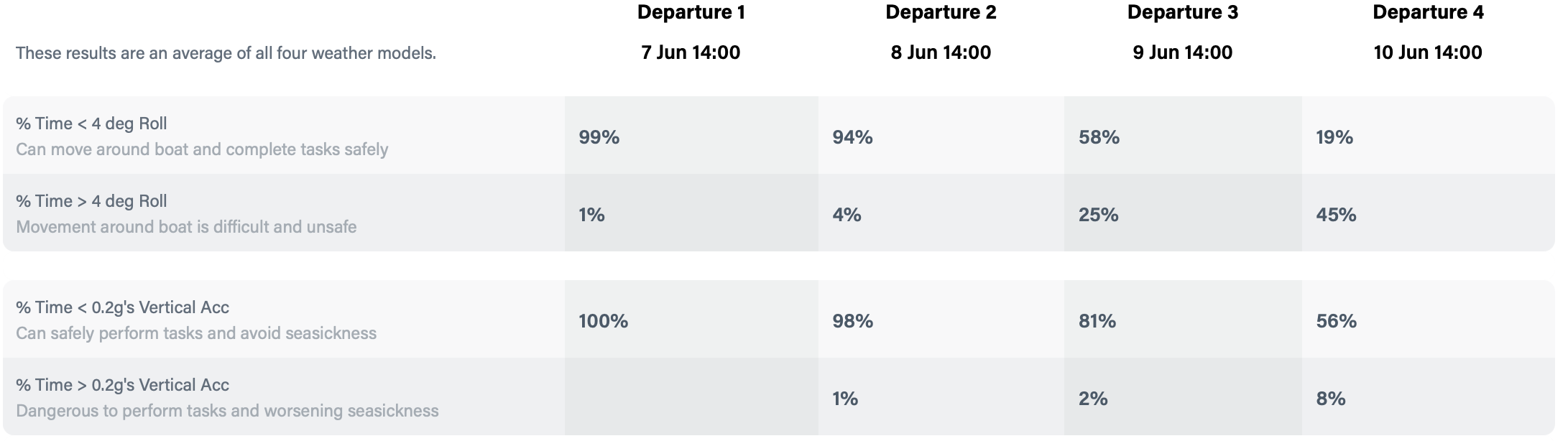
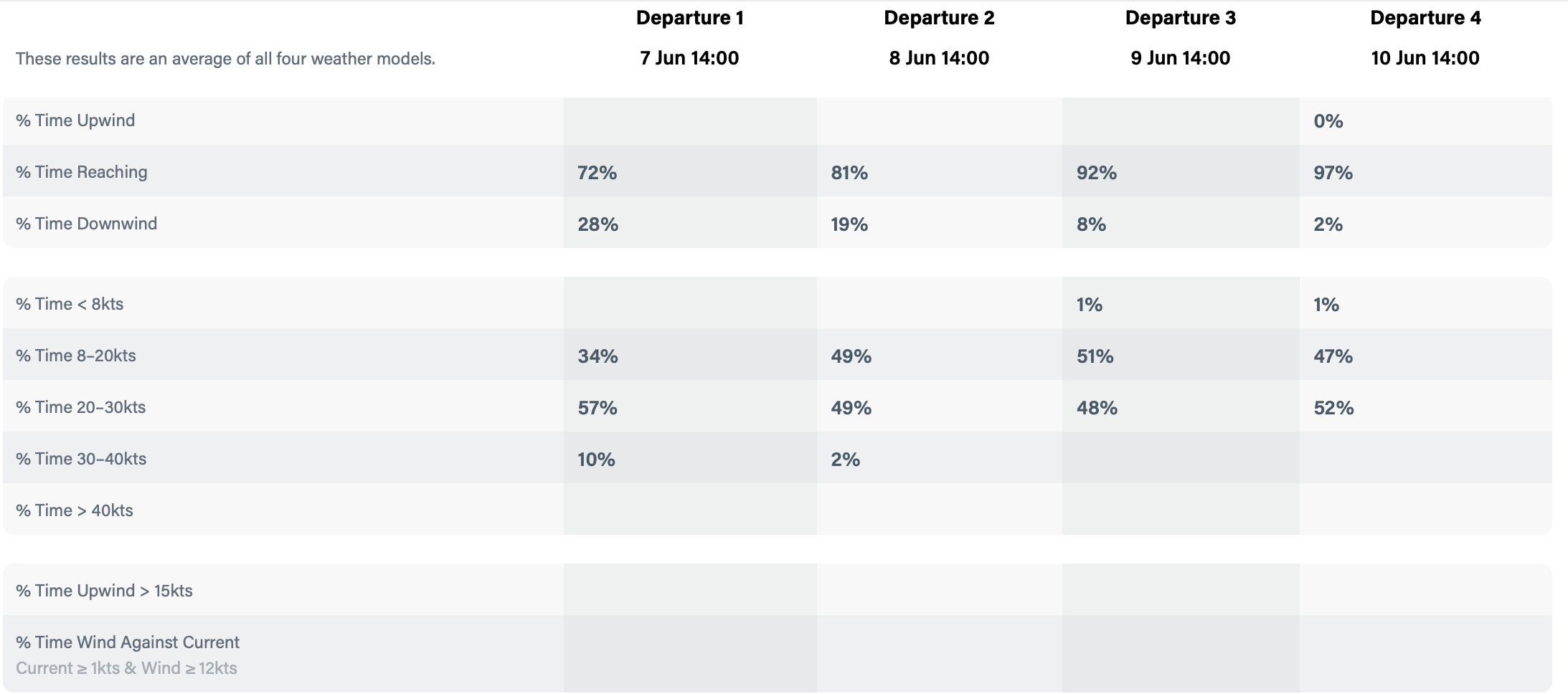
If the sea state looks good, we look at wind speed and direction. We generally avoid going upwind in a strong breeze. But if the sea state is smooth, I'll take anything.
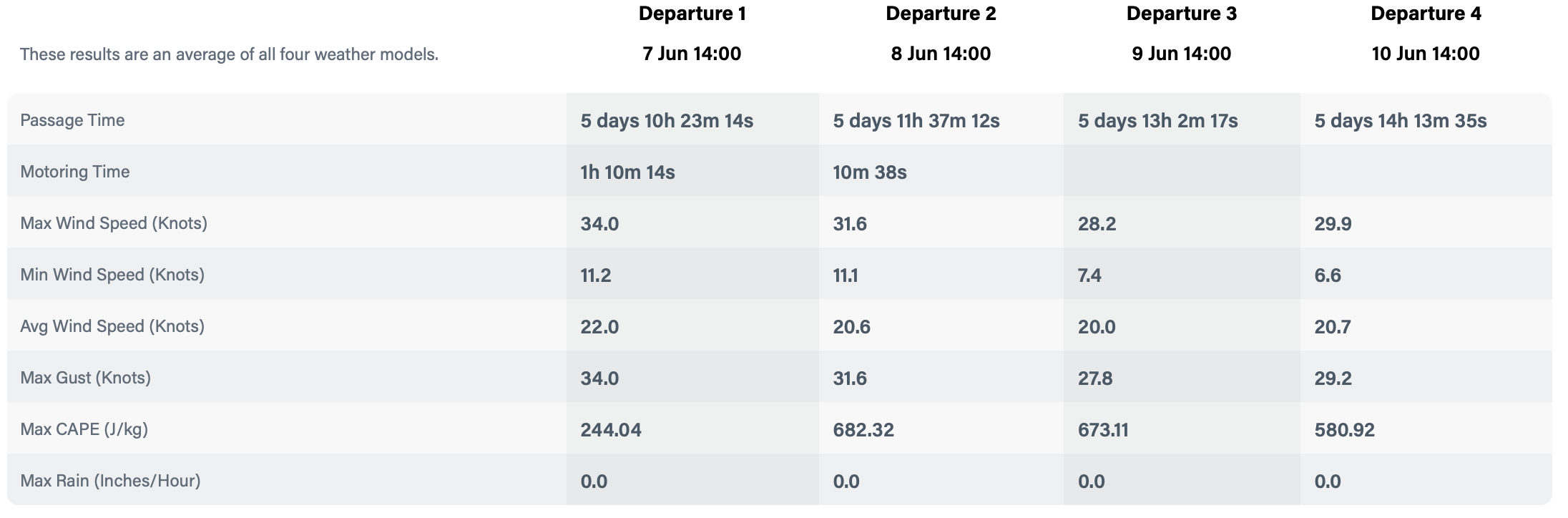
Finally, we look at atmospheric instability over the course of the trip. The CAPE index measures the amount of energy in the atmosphere. It tells us the likelihood of thunderstorms (lightning is bad for catamarans). It also tells us how aggressive the squalls will be. When the CAPE index is below 1,000, we don't worry too much about the squalls. There just isn't enough energy to get them going.
Departing on the 7th
We'll plan to depart on the 7th. We've made an appointment with the customs office here in Opua. They will clear us out of the country. We're required to leave immediately once they process us out.
--Bob (MetBob our weather router)
These weather models are usually very reliable within 3 days. They are very good within 6 days. Even 8 days out, you can get a good sense of what's coming. This is especially true with settled, established weather patterns like we have now.
Departing on the 8th is an option as well. By departing on the 7th, we give ourselves an extra day if we wind up needing to wait for some unforeseen reason. The route will take us near Minerva Reef in the middle of the ocean. We could conceivably stop there for a day if we want to rest or repair something.
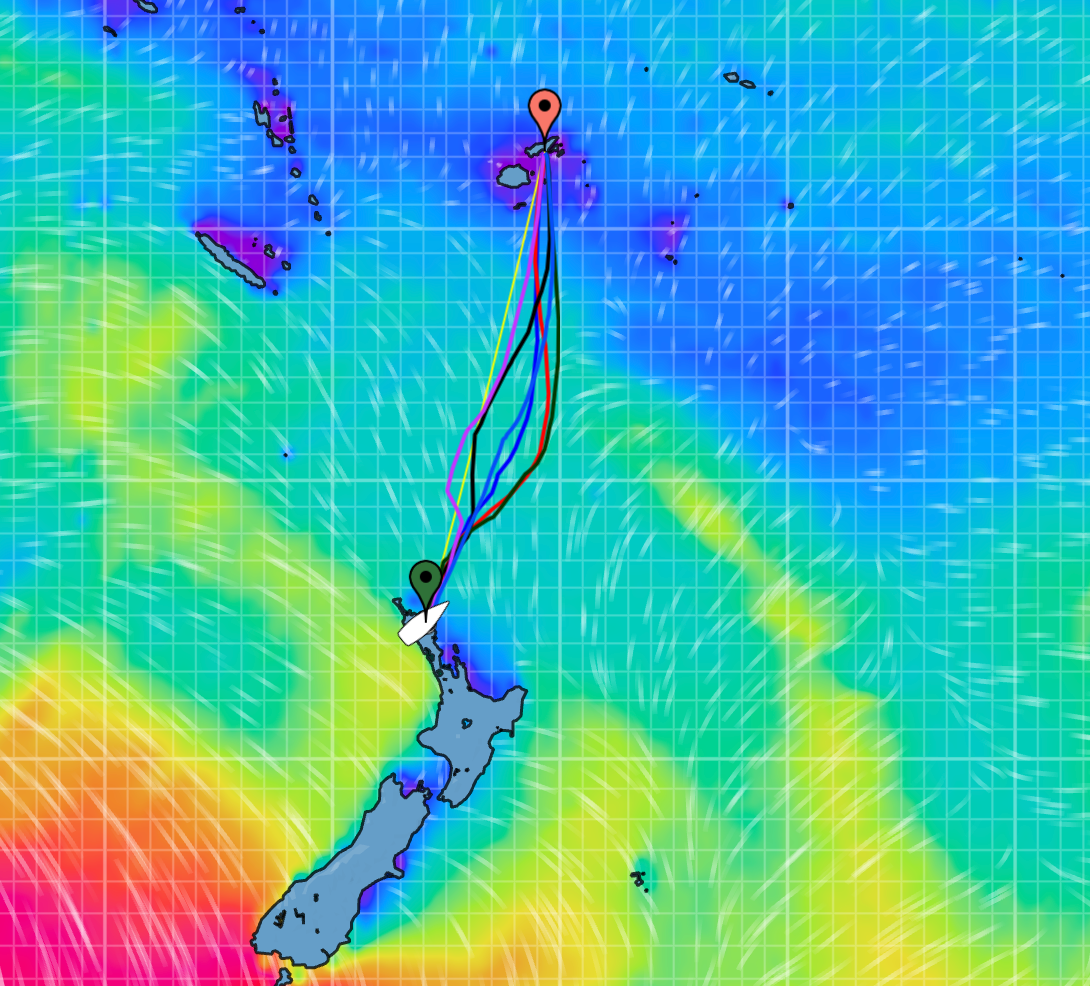
Now that we have a tentative departure day and time, we can run more detailed weather and routing analysis.
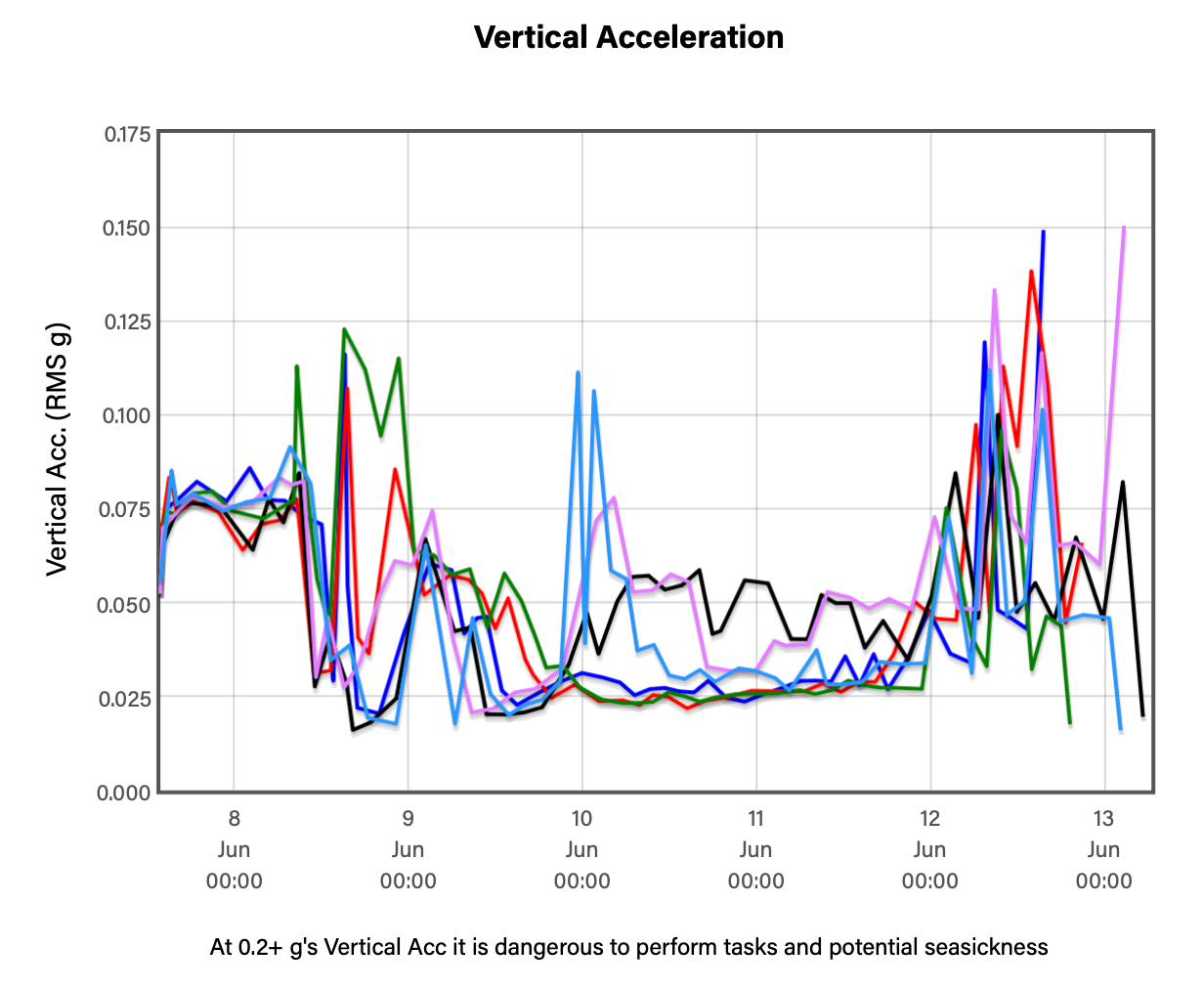
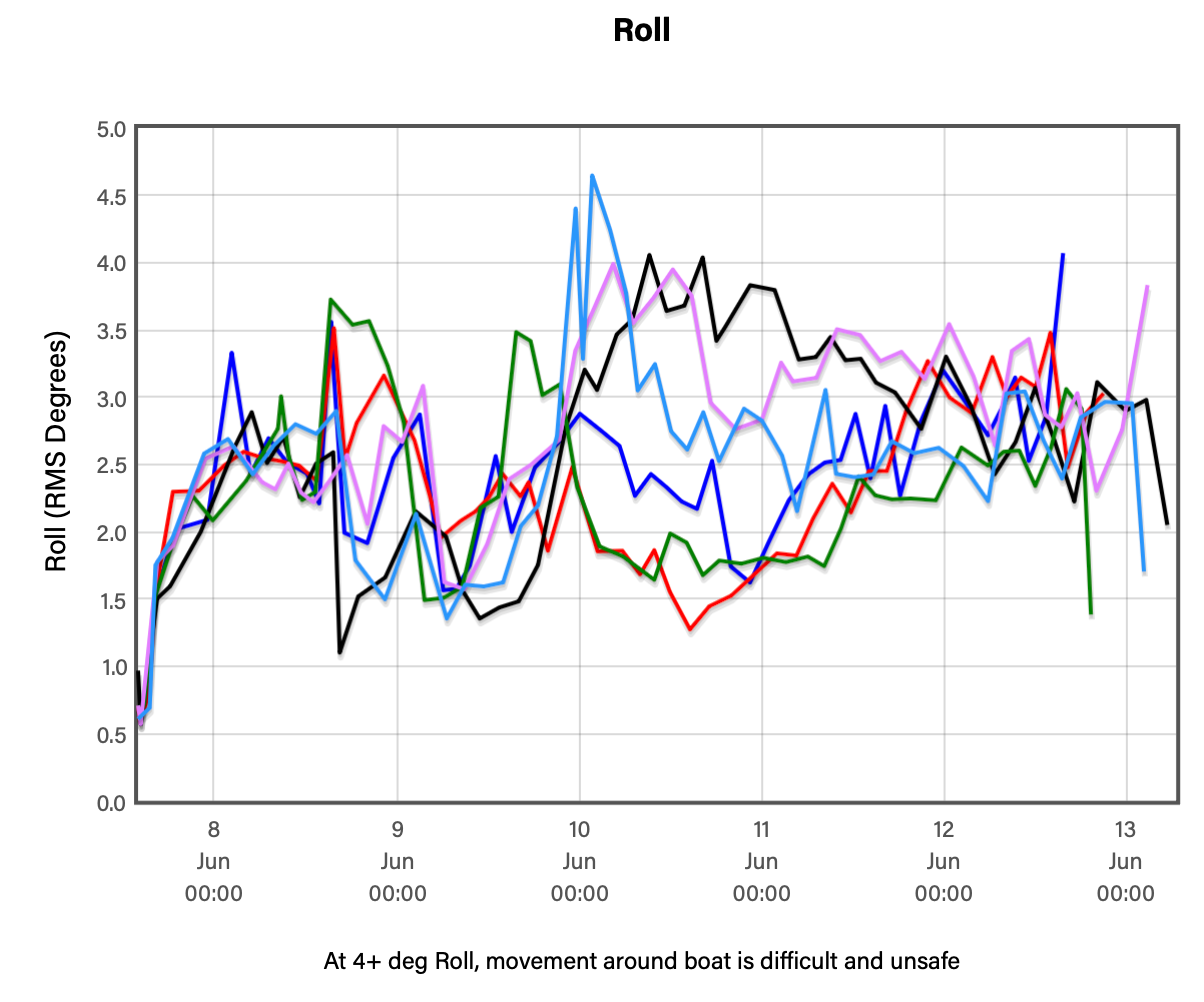
The sea state is indeed promising. We look for vertical acceleration less than .2g RMS, and roll less than 4 degrees RMS. Source: PredictWind
A Few Photos